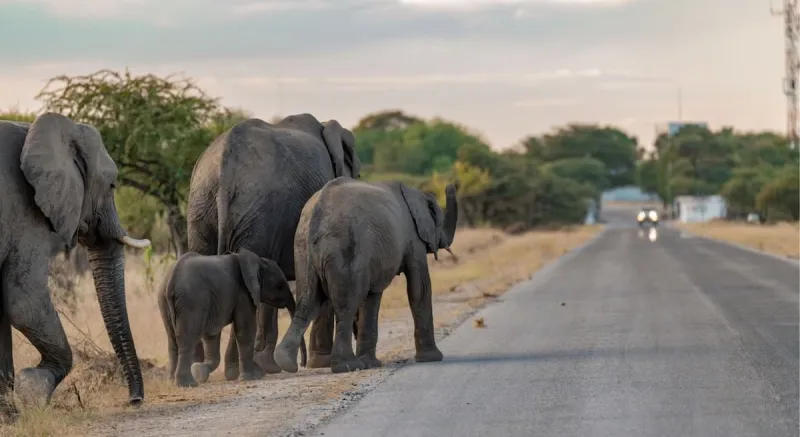
As human populations expand into traditional elephant habitats, conflicts between farmers and these large animals are becoming more frequent. African elephants, which can weigh up to six tons, often raid crops, leading to economic losses and sometimes dangerous encounters.
According to a study from the University of California, Santa Barbara, researchers are using GPS tracking and data analysis to understand elephant movement patterns. This information can help predict potential conflict zones and guide land-use planning to reduce human-elephant interactions.
Conservationists emphasize the need for strategies such as electric fences, chili pepper deterrents, and early warning systems. These measures aim to protect both livelihoods and elephant populations, which are vulnerable to poaching and habitat loss.
The study highlights that proactive planning, rather than reactive measures, is essential to mitigate future conflicts. By identifying corridors and buffer zones, communities can coexist more safely with elephants.