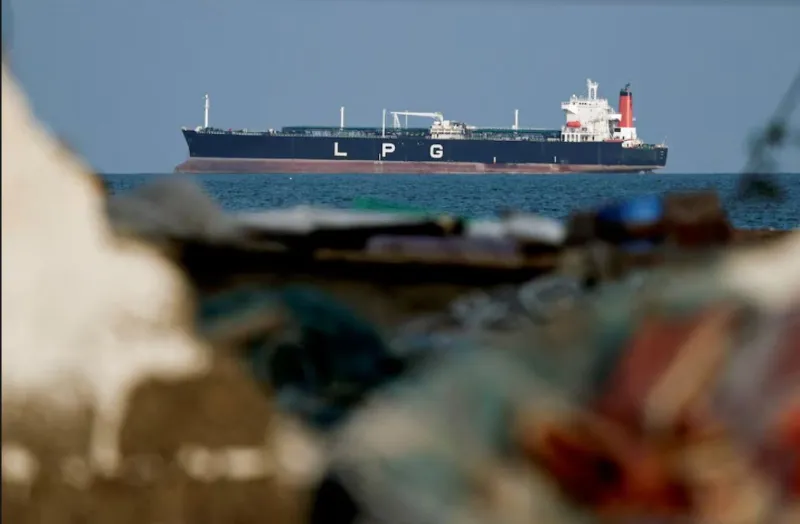
Malaysia sources nearly 48% of its crude oil domestically, while approximately 38% of its imports pass through the Strait of Hormuz, one of the world's most strategically critical and geopolitically sensitive shipping lanes. The figures, attributed to national oil company PETRONAS, highlight Malaysia's significant exposure to disruptions in the Middle East.
The Strait of Hormuz, located between Iran and Oman, is the world's most important oil chokepoint. Roughly 20% of global oil trade — or about one-fifth of all petroleum liquids consumed worldwide — passes through the strait. Any disruption to this route, whether due to military conflict, sanctions, or blockades, would have immediate consequences for energy-importing nations across Asia, including Malaysia.
Malaysia's remaining crude oil imports come from other sources, including West African and other Asian suppliers, providing some degree of diversification. However, the country's refining infrastructure and long-term supply contracts mean that a sudden shift away from Middle Eastern crude would be both costly and logistically complex.
Energy analysts have warned that rising tensions involving Iran — including ongoing disputes over its nuclear programme and periodic threats to close the strait — pose a persistent risk to regional energy security. Malaysia, as both an oil producer and importer, occupies a unique position: domestic production through PETRONAS partially cushions the country from external shocks, but does not eliminate vulnerability entirely.
The Malaysian government and PETRONAS have not publicly announced specific contingency plans for a Hormuz closure, but energy security experts have called for greater strategic petroleum reserve capacity and accelerated diversification of supply routes as prudent risk management measures.