A prolonged blockade of the Strait of Hormuz has significantly disrupted the global fertilizer market, removing an estimated 800,000 metric tons of supply each month, according to analysis from Dutch banking group Rabobank's research arm. The strategic chokepoint, a critical route for Middle Eastern exports, has seen shipping severely restricted due to regional geopolitical tensions, impacting the flow of key fertilizer components like potash and urea.
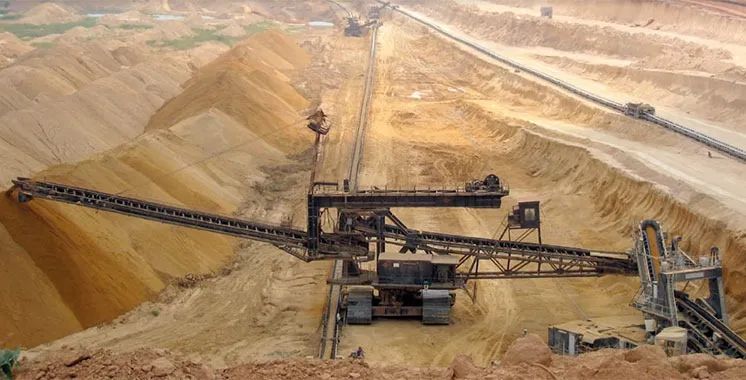
The supply shock has placed increased pressure on major fertilizer-exporting nations, including Morocco, a leading global producer of phosphate-based fertilizers. Analysts note that Morocco's OCP Group, one of the world's largest phosphate miners and fertilizer producers, is now under heightened scrutiny to help stabilize global markets and meet demand, particularly from food-insecure regions.
The disruption comes at a sensitive time for global food security, with fertilizer prices already volatile. The blockade exacerbates existing supply chain strains, threatening to increase agricultural input costs and potentially affect crop yields in importing countries. Market observers warn that a prolonged closure could lead to further price spikes and increased food inflation.
International diplomatic efforts are reportedly underway to resolve the situation and reopen the vital shipping lane. However, the ongoing instability underscores the fragility of global supply chains for essential agricultural commodities and the geopolitical risks concentrated around key maritime corridors.