As of August 2026, heightened tensions in the Strait of Hormuz have disrupted global oil shipping routes, leading to a surge in crude prices. This environment has proven financially beneficial for major oil companies, including TotalEnergies, Eni, and Shell, which have significant operations across Africa.
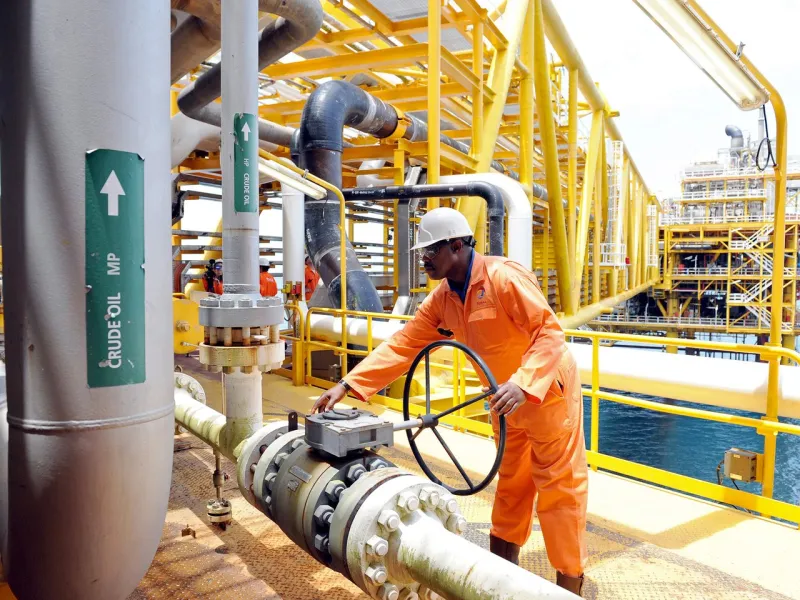
According to industry analysts, the price increase has boosted revenues for these majors, particularly from their upstream projects in Nigeria, Angola, and Mozambique. For instance, TotalEnergies' liquefied natural gas (LNG) projects in Mozambique and Nigeria have seen increased profitability due to higher energy prices.
Eni, with its extensive operations in Libya and Egypt, has also benefited. The company's gas production in Egypt's Zohr field and oil output in Libya have contributed to stronger earnings. Shell, active in Nigeria's deepwater and LNG sector, has similarly gained from the price surge.
However, the crisis also poses risks, including potential supply chain disruptions and increased operational costs in the region. African nations, while benefiting from higher export revenues, face challenges in managing inflation and fuel subsidies.
Overall, the situation underscores the complex interplay between geopolitical events and the energy sector, with African operations playing a crucial role in the global energy market.