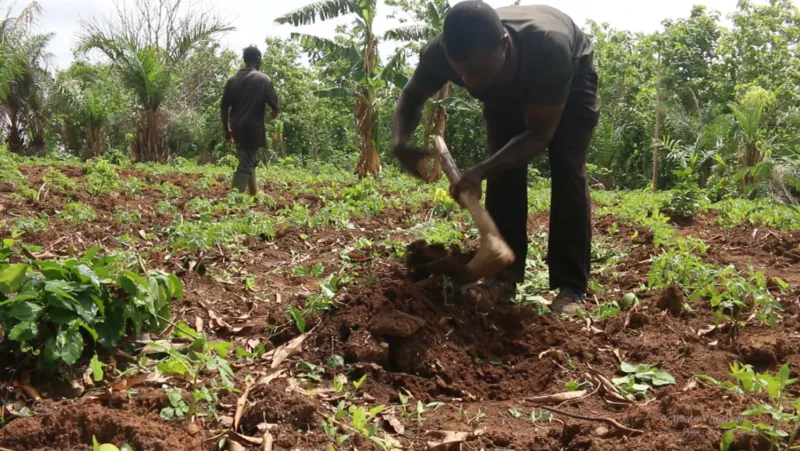
Ghana's agricultural sector is hampered by significant connectivity and data gaps, preventing actors across the value chain from operating efficiently and costing the economy value daily. The lack of integrated digital systems and reliable communication infrastructure creates bottlenecks from farm to market.
While the exact number of actors is debated, the sector employs millions. A 2023 report by the Alliance for a Green Revolution in Africa (AGRA) highlighted that limited access to digital tools and market information remains a critical barrier for smallholder farmers and agribusinesses in Ghana, affecting productivity and income.
Experts argue that improving digital infrastructure and fostering public-private partnerships for agricultural technology (AgriTech) are essential to bridge this gap. Solutions include platforms for real-time pricing, logistics coordination, and financial services tailored to rural areas.
The government's ongoing efforts, such as the Planting for Food and Jobs phase two, aim to incorporate digitalization. However, implementation challenges and the need for widespread, affordable internet access in rural communities persist as major hurdles to a fully connected agricultural ecosystem.