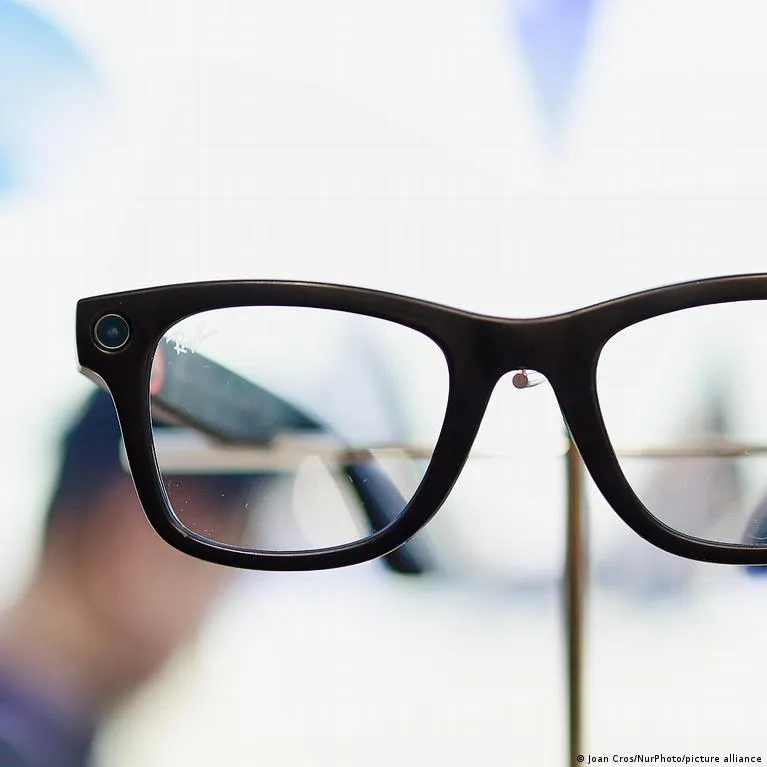
German privacy regulators and politicians are intensifying calls to consider banning or restricting Meta's Ray-Ban smart glasses, citing concerns over covert recording and data protection. The debate has gained momentum as the devices become more widespread, with critics arguing that the glasses' inconspicuous design poses a unique threat to privacy in public spaces.
The Federal Commissioner for Data Protection and Freedom of Information (BfDI) has expressed concerns about the lack of clear indicators when recording is in progress. While Meta has implemented a small LED light to signal recording, privacy advocates say it is insufficient and easily overlooked. Some German states have proposed stricter regulations, including mandatory audio alerts or a complete ban in certain areas like locker rooms and changing rooms.
Meta has defended the product, stating that the glasses comply with all applicable laws and include privacy features such as the LED indicator and a capture mode that can be disabled. The company has also pointed to the glasses' integration with its platforms, which allow users to share content directly, but regulators worry about the potential for misuse.
No formal ban has been enacted as of August 3, 2026, but the discussions reflect a broader European trend of scrutinizing smart glasses and augmented reality devices. The European Union is also examining potential regulations under the AI Act, which could impose additional obligations on companies like Meta.