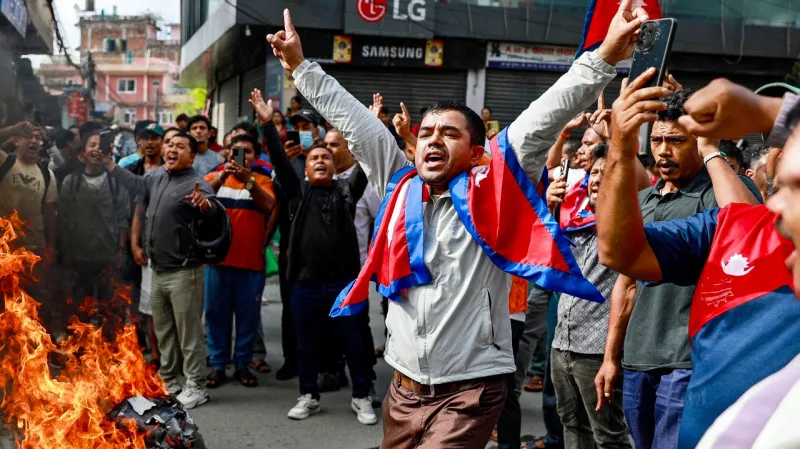
Young people from Generation Z, born roughly between 1997 and 2012, are at the forefront of global movements demanding substantive equality on issues ranging from climate change to economic justice. Their activism, often organized through digital platforms, has become a significant political force, influencing policy debates and electoral campaigns in numerous countries.
In the United States, Gen Z voters and activists have been pivotal in advocating for action on gun control, student debt relief, and racial justice, with organizations like March for Our Lives and Sunrise Movement gaining prominence. Their political engagement was notably high during the 2024 presidential election, according to analyses from the Pew Research Center and CIRCLE at Tufts University.
Globally, youth-led climate strikes inspired by figures like Greta Thunberg have continued to pressure governments for more aggressive environmental policies. In Europe and Asia, young activists are also campaigning for digital rights, gender equality, and improved labor conditions, reflecting a broad-based demand for systemic change.
Experts note that this generation's approach is characterized by a distrust of traditional institutions and a focus on intersectional, direct-action campaigns. Their calls for "real equality" often challenge existing economic models and political structures, leading to both support and backlash from established powers.