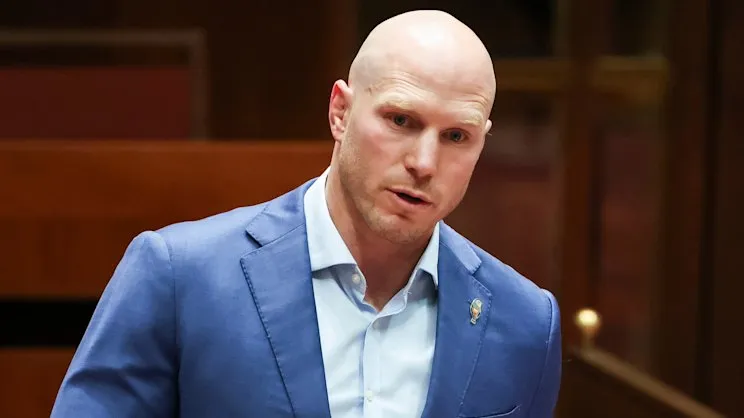
The political debate over using increased fuel excise taxes to repair government budgets has resurfaced in public discourse. This discussion often references a viral 2022 video by former rugby player and now Australian Senator David Pocock, who argued for higher taxes on fossil fuels to fund social services and climate action.
Since that time, global energy markets have experienced significant volatility due to geopolitical events and the ongoing transition away from fossil fuels. Many governments worldwide are grappling with budget deficits exacerbated by economic pressures, reigniting conversations about tax policy.
Proponents of higher fuel taxes argue they can reduce carbon emissions while generating revenue. Opponents counter that such taxes are regressive, disproportionately impacting lower-income households and regional communities dependent on vehicles. The policy remains a contentious point in economic and environmental planning.
As of 2026, no broad, new federal fuel tax increases have been implemented in major economies like the United States or Australia specifically tied to recent budget repair measures, though carbon pricing mechanisms continue to evolve in various jurisdictions.