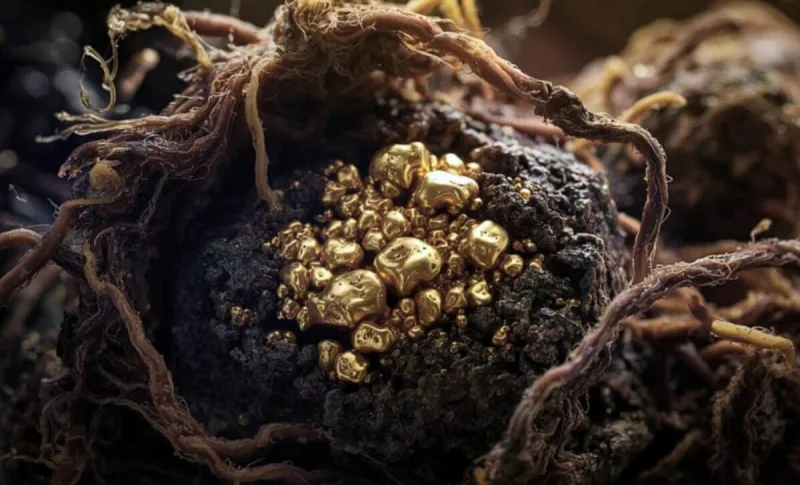
In 2019, researchers from Australia's national science agency, CSIRO, and other institutions published findings that the common soil fungus Fusarium oxysporum can interact with dissolved gold from its surroundings. The fungus does not 'eat' gold but precipitates it into nanoparticles that form a coating on its filaments, a process known as biomineralization.
The study, detailed in the journal Nature Communications, demonstrated that the fungus uses a chemical process to dissolve gold particles and then re-deposit them on its surface. This interaction is believed to aid the fungus's growth and spread, possibly by giving it a metabolic advantage or altering its environment.
Scientists see potential applications for this biological mechanism in developing new tools for locating gold deposits or in 'biomining'—using organisms to extract metals. However, the concept of 'weaponizing' it for space mining, as suggested in some speculative reports, remains a distant and unverified prospect not supported by the primary research.
The discovery highlights how biological processes can interact with precious metals and opens avenues for more sustainable mineral exploration techniques, though commercial or extraterrestrial application would require significant further research and development.