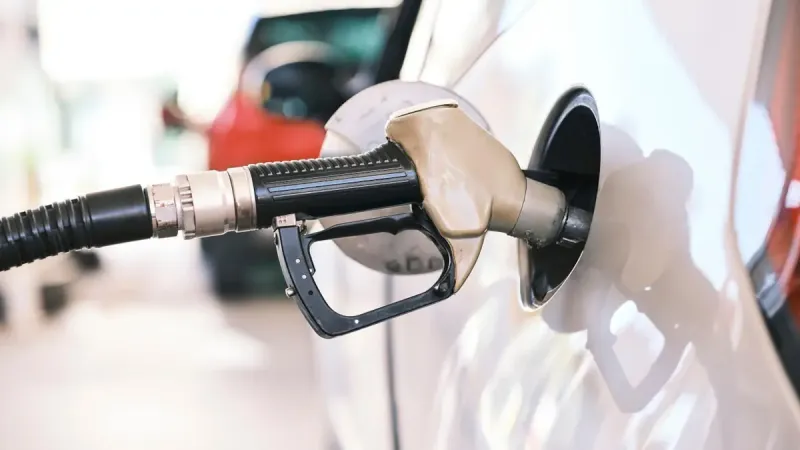
Multiple African economies are grappling with significant increases in fuel prices in early 2026, exacerbating existing cost-of-living pressures. The surge is primarily attributed to volatility in global oil markets and the depreciation of local currencies against the US dollar, which increases the cost of imports.
Countries heavily reliant on fuel imports and those with struggling currencies are among the most affected. Reports indicate nations like Nigeria, Ghana, and Kenya have seen notable price hikes at the pump, leading to public discontent and protests in some areas. Governments are facing difficult policy choices between maintaining subsidies, which strain national budgets, and passing costs to consumers.
The rising fuel costs have a cascading effect, increasing transportation and production expenses, which in turn drive up prices for essential goods and services. This inflationary pressure threatens to undermine economic stability and growth prospects for the year.
Analysts note that the situation remains fluid, dependent on international crude oil prices and regional economic policies. Some governments have announced short-term relief measures, but long-term solutions focusing on energy diversification and economic resilience are deemed critical.