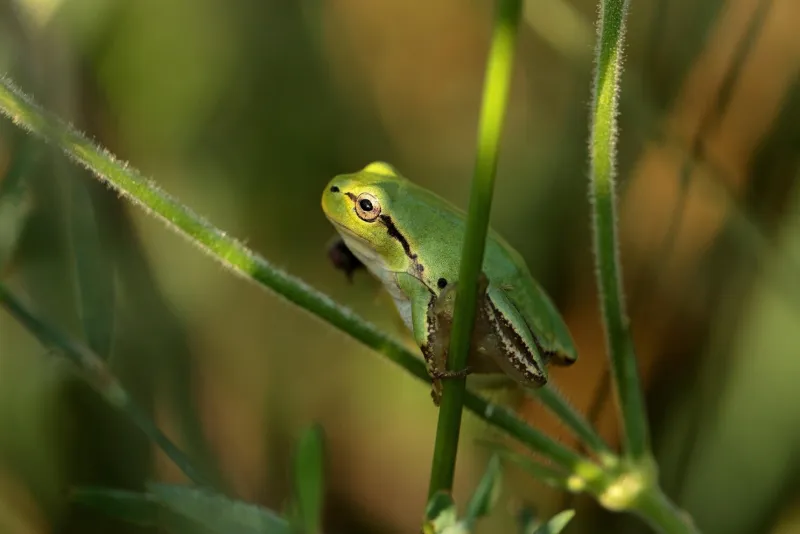
Amphibians, particularly frogs, are highly sensitive to environmental changes. A 2023 study published in Nature found that climate change is accelerating the decline of frog populations worldwide, with over 40% of amphibian species now threatened with extinction. Rising temperatures and altered rainfall patterns disrupt breeding cycles and increase susceptibility to diseases like chytridiomycosis.
In 2024, researchers from the University of California, Berkeley, reported that frogs in tropical regions are experiencing heat stress at lower temperatures than previously thought, leading to reduced survival rates. The study highlighted that even slight increases in temperature can push frogs beyond their thermal limits, causing population crashes.
Conservation efforts, including captive breeding programs and habitat restoration, are underway in several countries. For example, in Panama, the Panama Amphibian Rescue and Conservation Project has successfully bred the critically endangered Panamanian golden frog in captivity since 2020. However, experts warn that without significant reductions in greenhouse gas emissions, many frog species could face extinction by 2050.