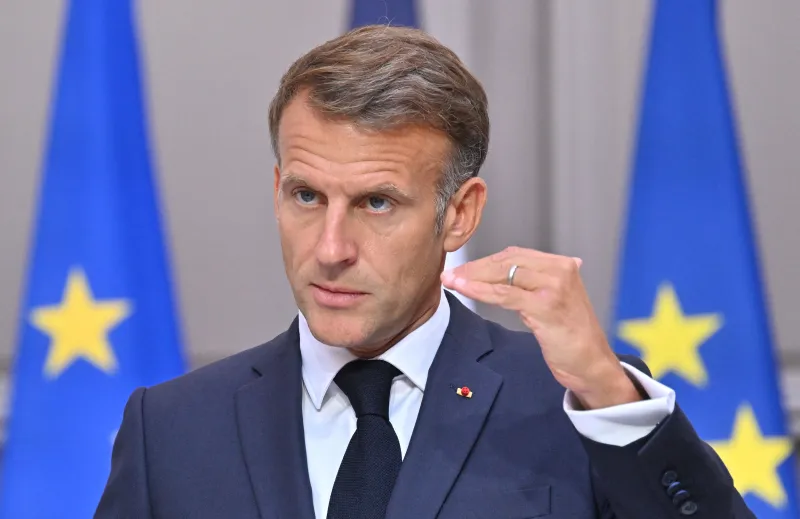
France's next presidential election is scheduled for April 2027, when voters will choose a successor to President Emmanuel Macron, who is barred by the constitution from seeking a third consecutive term. The campaign is unfolding against a backdrop of overlapping crises that are dominating the political agenda and complicating the strategies of declared and potential candidates.
On the domestic front, the country has been governed by a series of minority and short-lived governments since the 2024 snap legislative elections produced a fragmented National Assembly. Prime Minister Sébastien Lecornu, appointed in September 2025, has faced repeated budget battles and threats of censure, while the far-right National Rally and the left-wing New Popular Front remain the largest blocs in parliament.
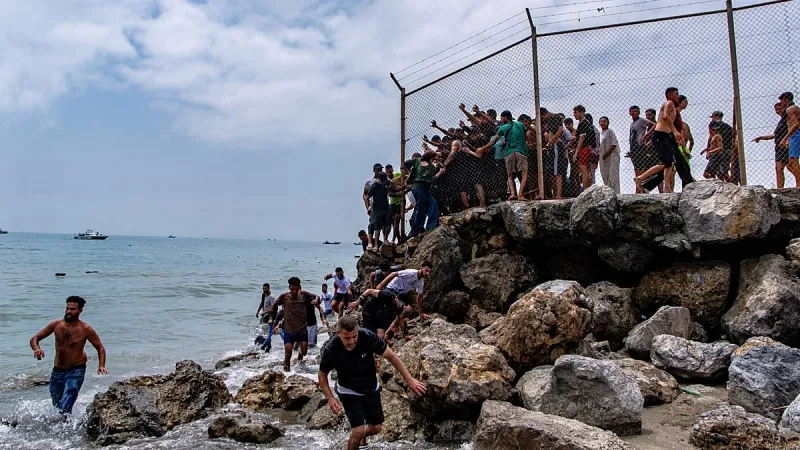
Internationally, the war in Ukraine and its consequences for European security and energy policy continue to weigh on French politics, as does the conflict in the Middle East. These issues have forced candidates to focus on defence, migration and economic sovereignty earlier than in previous campaigns.
With the first round set for 11 April 2027 and a possible runoff on 25 April, the race remains fluid. No candidate has yet secured a dominant position, and the crises are expected to shape both the campaign themes and the eventual outcome.