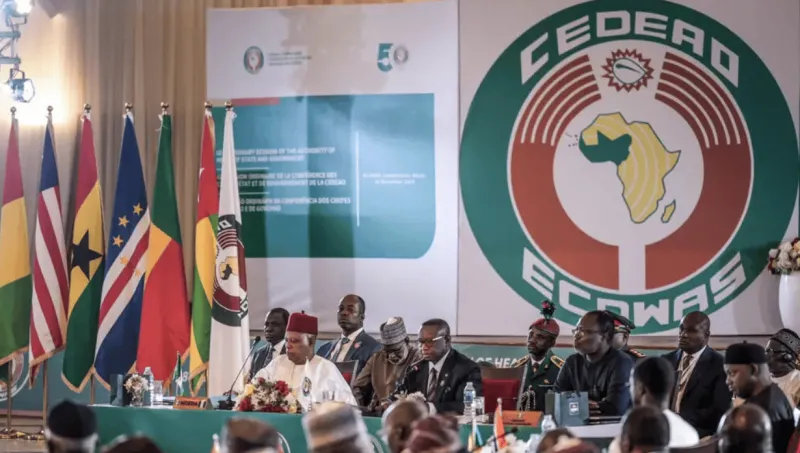
At the Freetown 2026 summit held on July 22-23, 2026, the Economic Community of West African States (ECOWAS) made significant strides toward the implementation of the ECO single currency and the Governance, Growth, and Accountability (G2A) framework. The summit, hosted by Sierra Leone's President Julius Maada Bio, brought together heads of state and finance ministers from the 15-member bloc to discuss economic integration and regional stability.
According to verified reports from the ECOWAS Commission, the G2A initiative aims to enhance fiscal discipline and transparency among member states, with a focus on reducing public debt and improving tax collection. The ECO currency, long planned to replace the CFA franc and other national currencies, is now targeted for phased introduction starting in 2027, pending convergence criteria on inflation, deficits, and reserves.
Key outcomes include the adoption of a revised roadmap for the ECO, with a new central bank framework and a digital payment system pilot. The summit also addressed security challenges in the Sahel and coastal regions, with a commitment to joint military exercises and intelligence sharing.
However, analysts note that hurdles remain, including political instability in some member states and the withdrawal of Mali, Burkina Faso, and Niger from ECOWAS in early 2026. The summit communiqué emphasized dialogue with these countries to ensure regional cohesion.