As of June 2026, the future of the FIFA World Cup remains a topic of debate, with some suggesting that the sport of football itself could be key to revitalizing the tournament. Recent discussions have focused on how the game's universal appeal might counteract controversies surrounding host nation selections and allegations of corruption.
According to verified reports, FIFA has been exploring reforms to enhance the World Cup's integrity and global engagement. These include potential changes to the bidding process and increased transparency in financial dealings. However, no concrete decisions have been announced as of this date.
Critics argue that without addressing underlying issues such as human rights concerns in host countries and the environmental impact of mega-events, football alone cannot save the World Cup. Supporters counter that the sport's ability to unite diverse cultures remains its strongest asset.
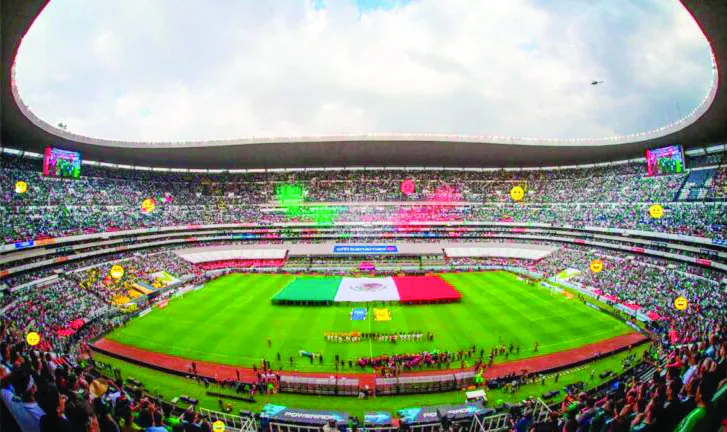
As the 2026 World Cup approaches, scheduled to be co-hosted by the United States, Canada, and Mexico, stakeholders continue to weigh the balance between commercial interests and the sport's foundational values. The outcome of these debates will likely shape the tournament's long-term viability.