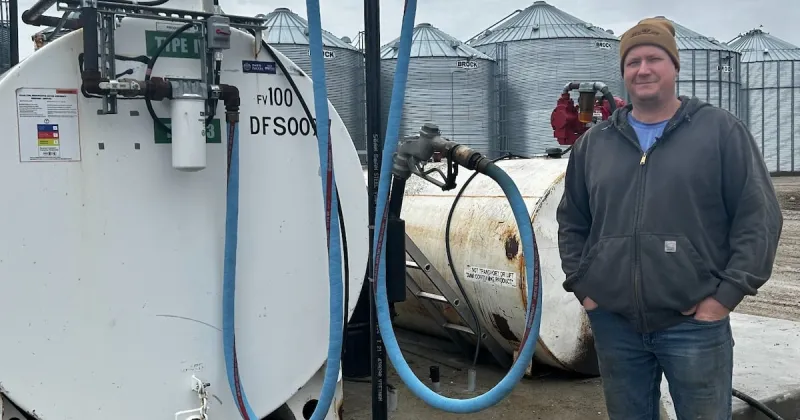
RANDOLPH, Man. – Kevin Peters, like many Canadian farmers, is grappling with the substantial financial impact of rising fuel costs on his agricultural operations. The expense of powering farm equipment throughout the season represents a major and volatile portion of his annual budget.
"The fuel increase this year could easily add $50,000 at the end of the year," said Peters, highlighting the direct threat to farm profitability. This sentiment is echoed across the sector, where fuel is a critical input for planting, harvesting, and transportation.
While global oil prices have seen fluctuations, the broader trend of increased energy and input costs continues to squeeze farm margins. Industry analyses confirm that fuel remains one of the top operational expenses, with price spikes directly translating to higher costs for food production and transport.
The financial pressure from fuel costs contributes to broader concerns about food security and farm sustainability. Stakeholders are calling for strategies to manage volatility and support the agricultural sector's resilience against such economic shocks.