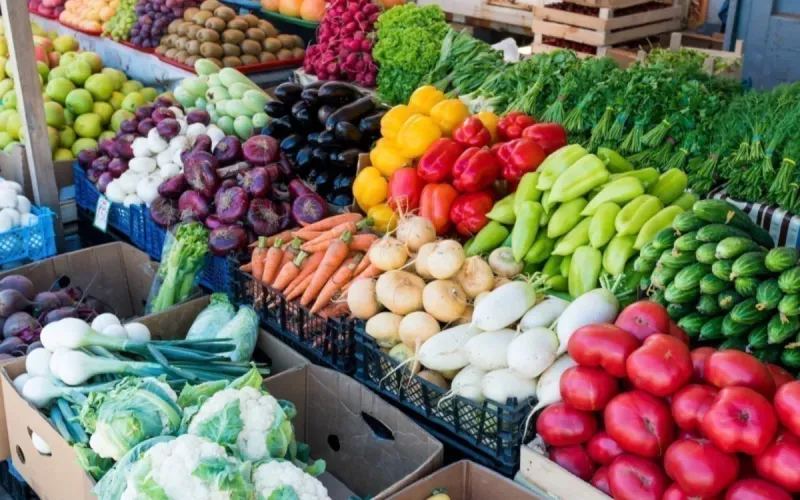
The European Union is advancing measures to prevent agricultural imports that contain pesticides banned within the bloc for health or environmental reasons. The goal is to avoid a situation where such substances return to the EU through imported food products. Currently, imported goods must already respect EU maximum residue limits (MRLs), but the new approach would go further by targeting the active substances themselves.
Morocco, a major exporter of fresh produce to Europe, is responding by aiming to diversify its export destinations and increase overall export volumes. The North African country is a key supplier of fruits and vegetables to EU markets, and any tightening of import rules could affect its agricultural sector.
The European Commission has been working on the issue, with discussions ongoing about how to enforce the so-called mirror clauses, which would require imported products to meet the same production standards as those within the EU. This has raised concerns among trading partners about potential trade barriers.
Morocco has not yet announced specific new targets or measures in response to the EU's plans. The situation remains fluid as both sides consider the implications for agricultural trade.