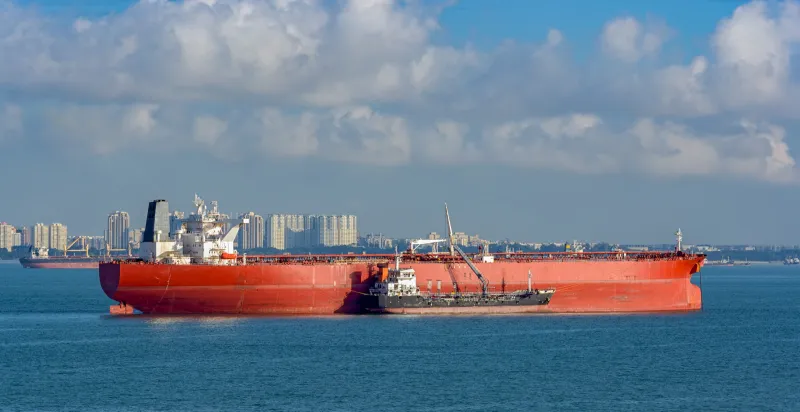
The European Union has adopted its 16th sanctions package against Russia, targeting bunkering services for Russian vessels. The measures, announced on June 10, 2026, prohibit EU operators from providing fuel, lubricants, and other supplies to ships transporting Russian oil or petroleum products.
This move is part of ongoing efforts to close loopholes in the price cap mechanism and reduce Russia's revenue from oil exports. The ban extends to services like refueling, waste disposal, and crew changes, affecting vessels that carry Russian crude or refined products above the G7 price cap.
EU officials stated that the sanctions aim to disrupt Russia's ability to bypass existing restrictions. The package also includes additional listings of individuals and entities involved in sanctions evasion, as well as measures targeting the shadow fleet of tankers used to transport Russian oil.
The new rules take effect immediately, with a transitional period for existing contracts. The EU has urged member states to enforce the measures rigorously to prevent circumvention.