Ethiopia continues to face a severe human rights and humanitarian crisis, with multiple conflicts and widespread reports of abuses undermining the country's stability and impacting the wider Horn of Africa region. The situation remains a critical concern for international peace and security discussions.
Following the devastating two-year civil war in Tigray, which formally ended with a ceasefire in November 2022, other regions, notably Amhara and Oromia, have experienced escalating violence. In Amhara, conflict erupted between federal forces and the Fano militia in mid-2023, leading to mass arrests, internet shutdowns, and a state of emergency. In Oromia, long-standing conflict between government forces and the Oromo Liberation Army (OLA) persists, with civilians caught in the crossfire.
Human rights organizations, including Amnesty International and Human Rights Watch, have documented atrocities committed by all parties to these conflicts, including extrajudicial killings, sexual violence, and the destruction of civilian infrastructure. The UN International Commission of Human Rights Experts on Ethiopia reported in 2025 that violations may amount to crimes against humanity and war crimes, with impunity remaining a major issue.
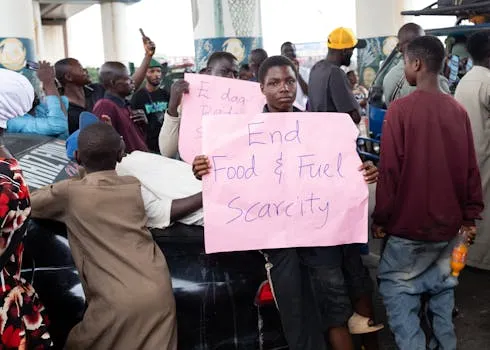
The crisis has resulted in one of the world's largest internal displacement situations, with millions uprooted from their homes. Combined with severe drought conditions, this has created a catastrophic humanitarian emergency, leaving over 20 million people in need of aid. The instability in Ethiopia, a key regional power, risks exacerbating tensions across the Horn of Africa, complicating diplomatic efforts and regional cooperation on security and development.