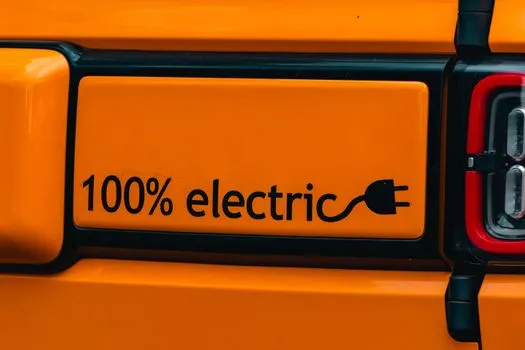
Electrification is accelerating globally, driven by electric vehicle (EV) adoption and renewable energy integration. According to the International Energy Agency (IEA), global EV sales rose by 35% in 2025, reaching 17 million units. This growth is supported by expanding charging infrastructure and falling battery costs, which dropped to $115 per kWh in 2025, down from $140 in 2023.
Grid modernization is a critical component. The IEA reports that investment in smart grid technologies increased by 20% in 2025 to $310 billion, enabling better integration of solar and wind power. In the U.S., the Department of Energy allocated $5 billion for grid resilience projects in 2025.
Battery technology continues to evolve. Solid-state batteries are expected to enter commercial production by 2027, with companies like Toyota and QuantumScape reporting progress. Lithium-iron-phosphate (LFP) batteries now account for 40% of the EV market due to lower cost and improved safety.
Challenges remain, including critical mineral supply chains. The IEA notes that lithium demand could outstrip supply by 2028 if recycling rates do not improve. Currently, only 5% of lithium-ion batteries are recycled globally.