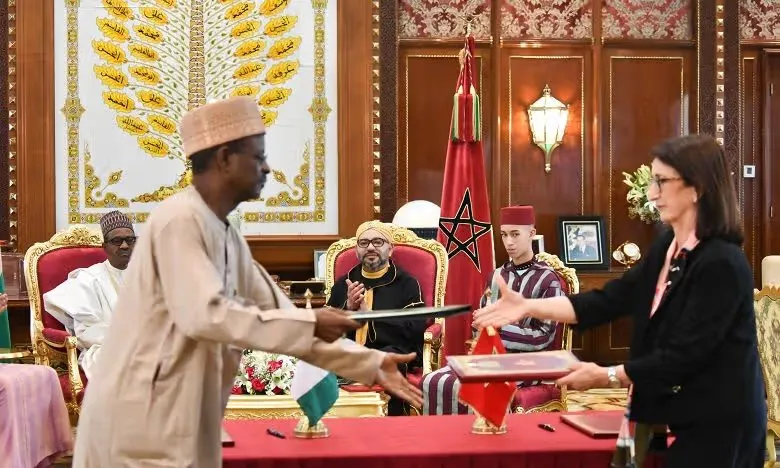
On July 20, 2026, the Economic Community of West African States (ECOWAS) signed a memorandum of understanding to join the Nigeria-Morocco Atlantic Gas Pipeline project. The signing ceremony took place in Abuja, Nigeria, with representatives from all 15 ECOWAS member states present.
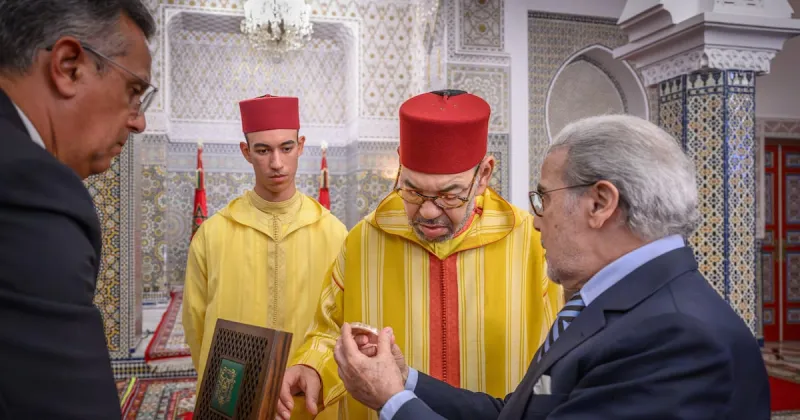
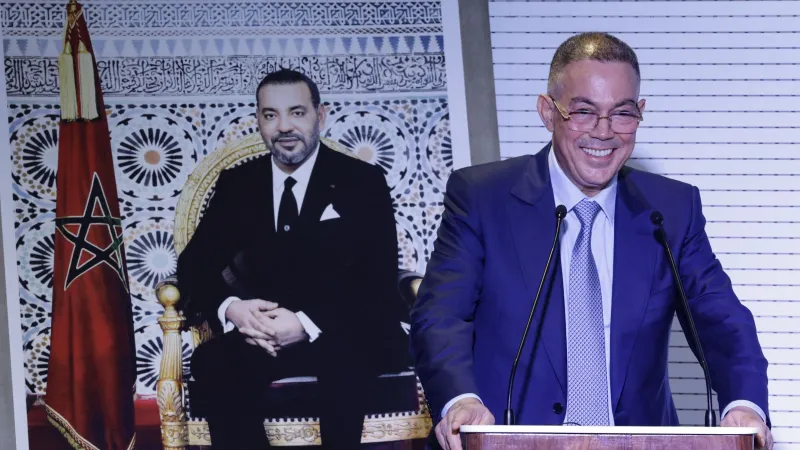
The pipeline, initially launched by King Mohammed VI of Morocco and former Nigerian President Muhammadu Buhari in 2016, aims to transport natural gas from Nigeria to Morocco and onward to Europe. The project has received continued support from current Nigerian President Bola Tinubu.
The pipeline is expected to span approximately 5,600 kilometers, crossing 13 West African countries. It will have a capacity to transport 30 billion cubic meters of gas annually, according to the Nigerian National Petroleum Corporation (NNPC).
ECOWAS Commissioner for Infrastructure, Energy and Digitalization, Sediko Douka, stated that the project will enhance energy security and economic integration in the region. The pipeline is projected to create thousands of jobs and reduce gas flaring in Nigeria.
Construction is expected to begin in 2027, with the first phase targeting completion by 2030. The project is estimated to cost $25 billion, with funding from international partners including the African Development Bank.