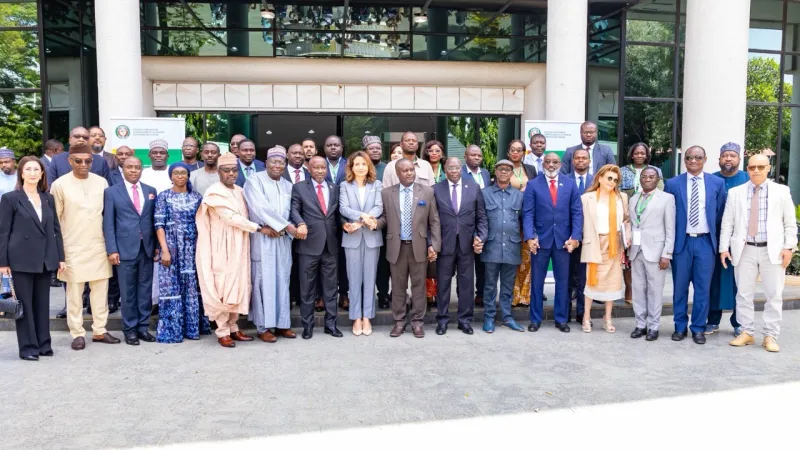
On July 19, 2026, the Economic Community of West African States (ECOWAS) signed a memorandum of understanding (MoU) for the Nigeria-Morocco gas pipeline project in Freetown, Sierra Leone. The agreement was reached during the ECOWAS Authority of Heads of State and Government summit.
The pipeline, a joint initiative between Nigeria and Morocco, aims to transport natural gas from Nigeria to Morocco and onward to Europe. It is expected to pass through several West African countries, including Benin, Togo, Ghana, and Côte d'Ivoire, among others.
The project, first proposed in 2016, has been under development for years. The MoU signed in Freetown is seen as a significant step toward finalizing the project's legal and regulatory framework. The pipeline is estimated to cost around $25 billion and could supply up to 30 billion cubic meters of gas annually.
ECOWAS Commissioner for Infrastructure, Energy, and Digitalization, Sediko Douka, stated that the agreement would help boost regional energy integration and economic development. The pipeline is also expected to provide a new energy export route for Africa, reducing reliance on other global suppliers.
No specific timeline for construction was announced at the summit, but the signing marks a milestone in the project's progress. The pipeline is part of broader efforts to enhance energy security and cooperation in West Africa.