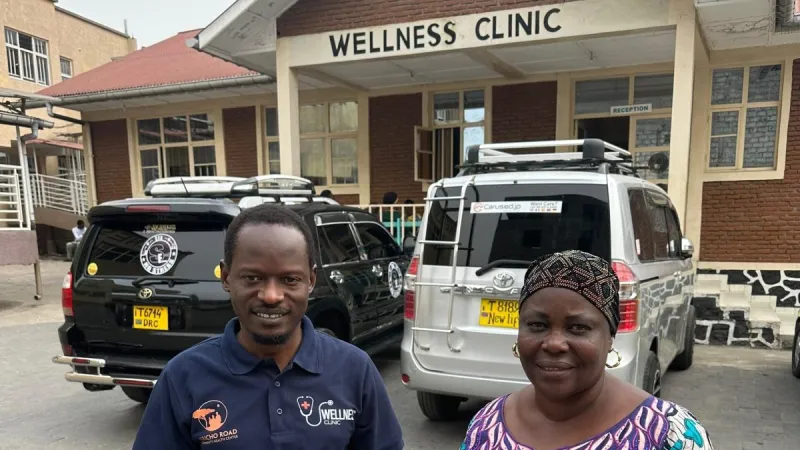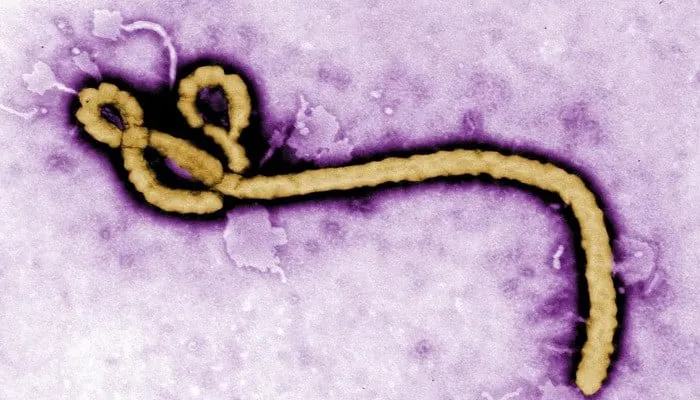
As of May 2026, a fresh outbreak of Ebola virus disease has been reported in the Democratic Republic of Congo (DRC) and Uganda. According to the World Health Organization (WHO) and local health ministries, the outbreak has resulted in over 80 deaths in the DRC and at least one confirmed death in Uganda. The first cases were detected in early April 2026 in the Equateur province of DRC, with subsequent spread to neighboring regions.
The current outbreak is caused by the Zaire ebolavirus species, which has a high case fatality rate. Health authorities have deployed rapid response teams, including vaccination campaigns using the rVSV-ZEBOV vaccine, which has been effective in previous outbreaks. As of May 17, 2026, over 200 confirmed and probable cases have been reported, with the majority in DRC.
Ebola was first identified in 1976 in simultaneous outbreaks in Sudan and the DRC (then Zaire). Since then, the virus has caused multiple outbreaks across Africa, with the largest occurring in West Africa from 2014 to 2016, which resulted in over 11,000 deaths. The current outbreak underscores the ongoing threat of Ebola and the need for sustained surveillance and preparedness.
International partners, including Médecins Sans Frontières and the U.S. Centers for Disease Control and Prevention, are supporting local health systems. Travel restrictions and border screenings have been implemented in affected areas to contain the spread. The WHO has not declared a Public Health Emergency of International Concern (PHEIC) as of this date, but the situation is being closely monitored.