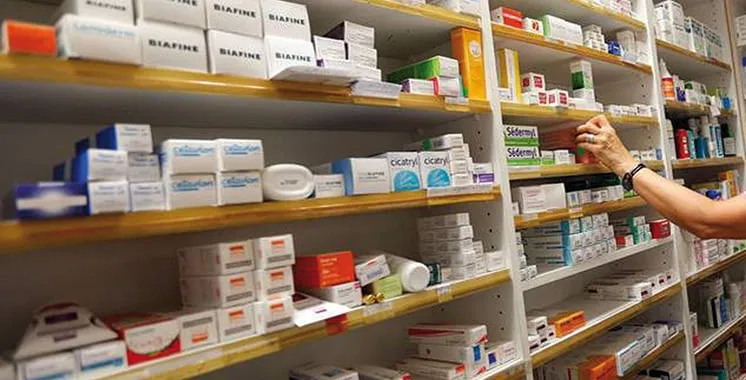
France is grappling with the challenge of balancing affordable access to medicines with the goal of achieving health sovereignty, a debate intensified by recent supply shortages and price negotiations. The government has proposed measures to cap price increases on essential drugs, while incentivizing local manufacturing to reduce reliance on imports, particularly from Asia.
According to a 2025 report by the French National Assembly, over 30% of critical medicines are imported from non-EU countries, creating vulnerabilities exposed during the COVID-19 pandemic. In response, the government allocated €1.2 billion in 2026 to support domestic pharmaceutical production, targeting 50 essential drugs for relocation by 2028.
Patient advocacy groups have welcomed price caps but warn that without robust oversight, companies may shift production abroad. Meanwhile, pharmaceutical firms argue that price controls could stifle innovation and investment in new treatments. The debate remains ongoing as France seeks a middle path.