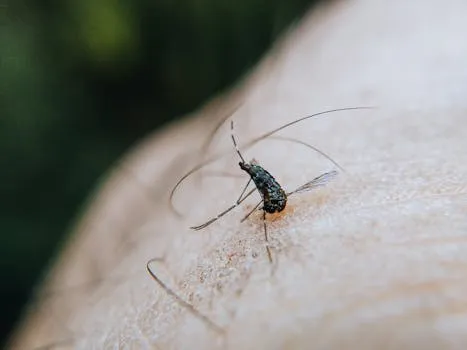
Brazil's innovative program using Wolbachia-infected mosquitoes to block dengue transmission has protected millions, but the disease is spreading faster than the insects can be bred and distributed across the vast country, according to recent reports.
The Wolbachia method, which involves releasing mosquitoes carrying a bacteria that prevents them from transmitting dengue, has shown promise in reducing cases in areas like Rio de Janeiro. However, a surge in dengue cases in 2024 and 2025 has overwhelmed these efforts, with climate change accelerating the spread of the virus into southern regions previously less affected.
Brazil reported over 6.5 million dengue cases in 2024, a record high, and the trend has continued into 2025. The Wolbachia program, while effective locally, has struggled to scale up quickly enough to counter the rapid expansion of the disease. Health officials are now exploring additional strategies, including vaccines and enhanced vector control, to complement the mosquito release program.