Global prices for critical minerals—including lithium, cobalt, and rare earth elements—have surged in recent months, driven by rising demand for electric vehicle batteries and renewable energy storage. According to the International Energy Agency (IEA), demand for lithium alone grew by over 30% in 2025, with prices more than doubling since early 2024.
African nations, which hold significant reserves of these minerals, are now seeking to capitalize on the boom. The Democratic Republic of Congo produces over 70% of the world's cobalt, while Zambia and Zimbabwe have major lithium deposits. In June 2026, the African Union announced a new strategy to promote local processing and value addition, aiming to capture a larger share of the global supply chain.
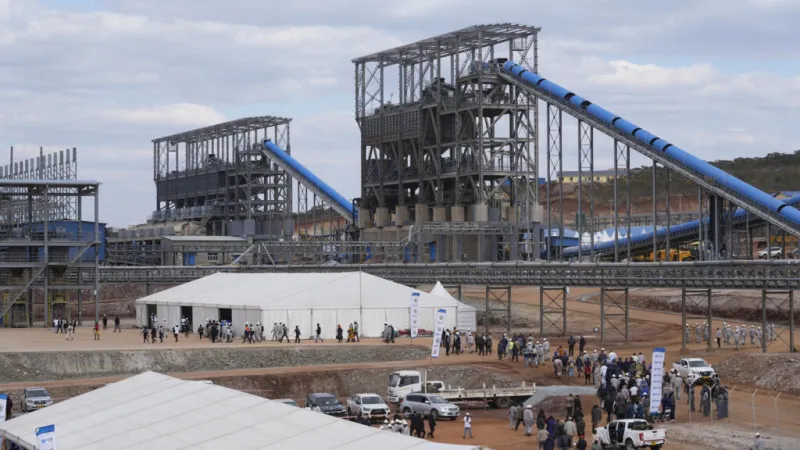
However, challenges remain. Many African countries lack the infrastructure and investment for domestic refining. The African Development Bank estimates that the continent loses up to $100 billion annually by exporting raw materials rather than processed products. Analysts say that without significant investment in processing facilities, Africa may miss out on the full economic benefits of the mineral boom.