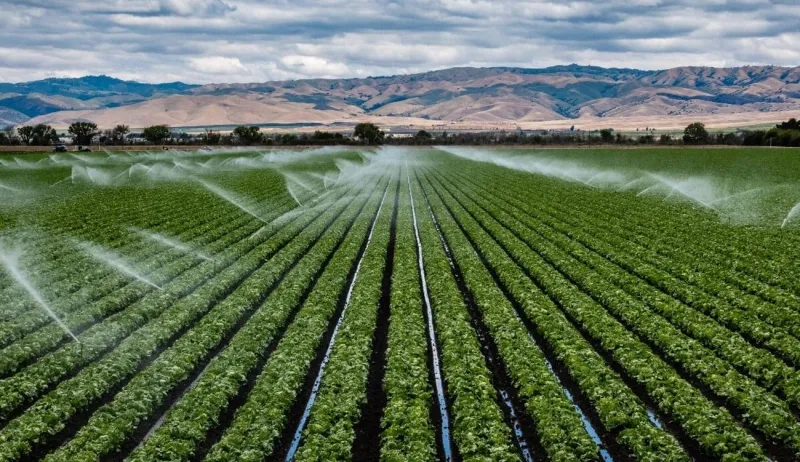
Climate-smart agriculture (CSA) is an approach that aims to transform and reorient agricultural systems to effectively support development and ensure food security under a changing climate. According to the Food and Agriculture Organization (FAO), CSA is built on three pillars: sustainably increasing agricultural productivity and incomes; adapting and building resilience to climate change; and reducing and/or removing greenhouse gas emissions.
Key practices include conservation agriculture, agroforestry, improved water management, and the use of drought-tolerant crop varieties. A 2024 report from the World Bank notes that CSA can increase yields by up to 20% while reducing emissions, though adoption rates vary globally. In sub-Saharan Africa, for example, only about 10% of farmers currently use CSA techniques.
Financial mechanisms are critical for scaling up CSA. The Green Climate Fund has allocated over $1 billion to climate-smart agriculture projects since 2020, focusing on smallholder farmers in developing countries. However, a 2025 study in Nature Climate Change found that current investment levels are insufficient to meet the Paris Agreement goals for the agricultural sector.
Despite challenges, CSA offers a viable path forward. The FAO emphasizes that no single solution fits all contexts; local adaptation is essential. As of June 2026, over 50 countries have integrated CSA into their Nationally Determined Contributions (NDCs) under the Paris Agreement.