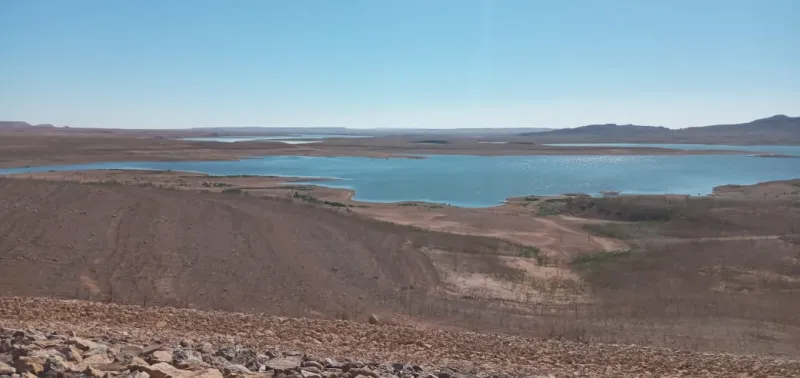
Climate change has had noticeable effects on Morocco since the 1980s, according to scientific studies. Research indicates that average temperatures in Morocco have risen by about 1.5°C over the past century, with accelerated warming since the 1980s. This has led to more frequent and intense droughts, particularly in agricultural regions.
Rainfall patterns have also shifted, with a decrease in average annual precipitation by approximately 10-20% in some areas since the 1980s. This has impacted water resources and crop yields, especially for rain-fed agriculture. The World Bank has noted that Morocco is highly vulnerable to climate change due to its water scarcity and reliance on agriculture.
In response, Morocco has implemented national adaptation strategies, including the National Climate Change Plan (2020-2030), which focuses on water management, renewable energy, and sustainable agriculture. The country has also invested in desalination plants and water conservation projects to mitigate the effects.