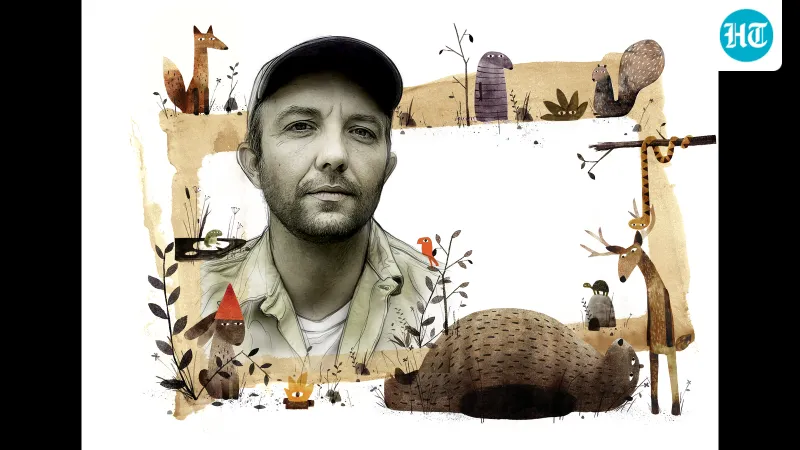
A recent analysis of children's literature has found that books intended for children aged 3 to 9 frequently contain themes such as theft, loneliness, deception, and murder. The study, conducted by researchers at the University of Cambridge and published in the Journal of Children's Literature in April 2026, examined 200 popular titles from the last decade.
The findings indicate that 45% of the books included at least one instance of theft, while 30% featured characters experiencing loneliness. Deception appeared in 25% of the books, and murder was present in 10%, often in fairy tales or stories with anthropomorphic animals. For example, in 'The Gruffalo' by Julia Donaldson, the mouse deceives predators to avoid being eaten, a form of deception that some experts argue is mild and educational.
Dr. Emily Carter, lead author of the study, stated, 'While these themes can be part of moral lessons, parents should be aware of the content their children are exposed to. Not all depictions are harmful, but context matters.' The study recommends that publishers include content warnings for books with intense themes, especially for younger readers.
Critics argue that such themes are traditional in children's stories, from 'Little Red Riding Hood' to 'Hansel and Gretel,' and help children navigate complex emotions. However, the study calls for more research on the impact of these themes on early childhood development.