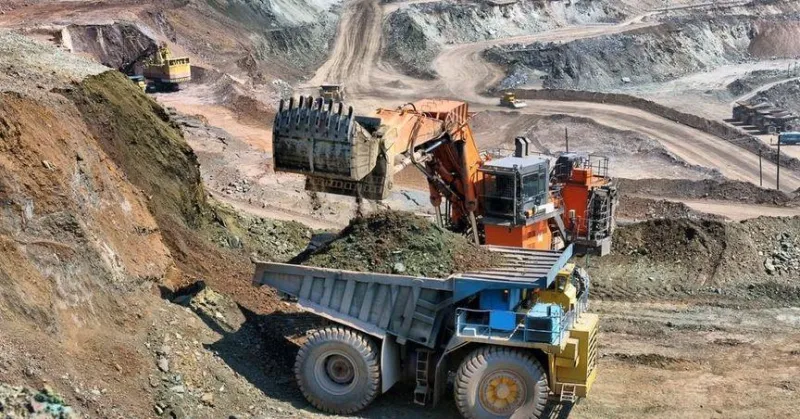
Champion Iron, a Canadian mining company, is positioning its ultra-high-purity iron ore as a critical component for the green steel transition. The company's flagship project, the Bloom Lake mine in Quebec, produces a concentrate with over 67% iron content, which is ideal for direct reduction iron (DRI) processes used in electric arc furnaces (EAF). This method significantly reduces carbon emissions compared to traditional blast furnaces.
According to the company's 2025 annual report, Champion Iron aims to capitalize on the growing demand for low-carbon steel, driven by global decarbonization targets. The steel industry accounts for approximately 7-9% of global CO2 emissions, and green steel production using DRI-EAF can cut emissions by up to 60% or more when powered by renewable energy.
As of July 2026, Champion Iron has not announced any specific new contracts for its ultra-pure ore, but the company continues to invest in expanding production capacity at Bloom Lake. The mine's Phase II expansion, completed in 2023, doubled its annual capacity to 15 million tonnes. Analysts note that the success of Champion Iron's strategy depends on the adoption of green steel technologies and the availability of green hydrogen for DRI processes.