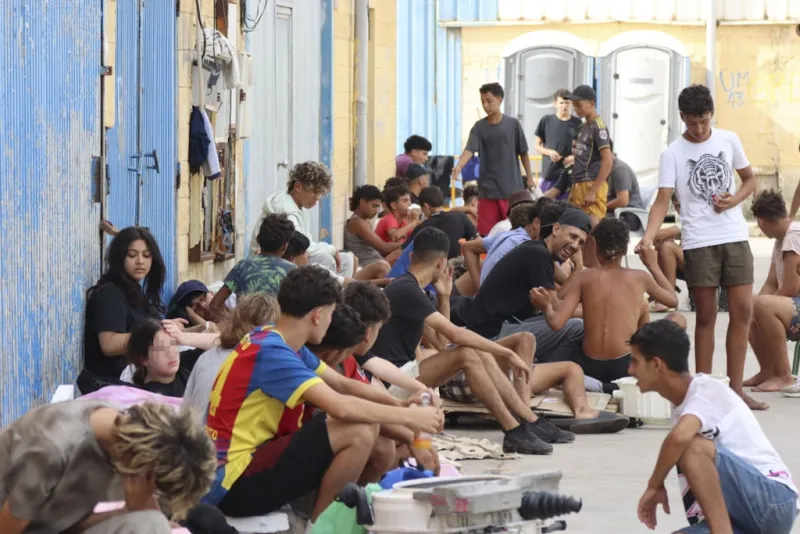
Ceuta, a Spanish autonomous city on the North African coast, has long symbolized the European dream for many Moroccans and sub-Saharan migrants. Its border with Morocco, marked by high fences and the Mediterranean Sea, represents one of the few land routes into the European Union. However, the reality of crossing into Ceuta is fraught with danger and increasingly restrictive policies.
In May 2021, a mass crossing event saw thousands of migrants, mostly Moroccans, swim or wade into Ceuta after Moroccan border guards appeared to relax controls. The Spanish government responded by deploying troops and returning many migrants to Morocco, sparking a diplomatic crisis between Madrid and Rabat. Since then, Spain has reinforced border security and increased cooperation with Morocco to curb irregular migration.
Despite these efforts, attempts to enter Ceuta continue, often with tragic outcomes. Migrants face risks such as drowning, hypothermia, and injuries from scaling the border fences. Human rights organizations have documented pushbacks and summary returns, raising concerns about the treatment of asylum seekers. The European Union has supported Spain's border management, but critics argue that a focus on deterrence fails to address the root causes of migration.
The situation in Ceuta reflects broader challenges in EU migration policy, balancing border security with humanitarian obligations. For many, the enclave remains a symbol of hope and despair—a gateway to Europe that is both alluring and deadly.