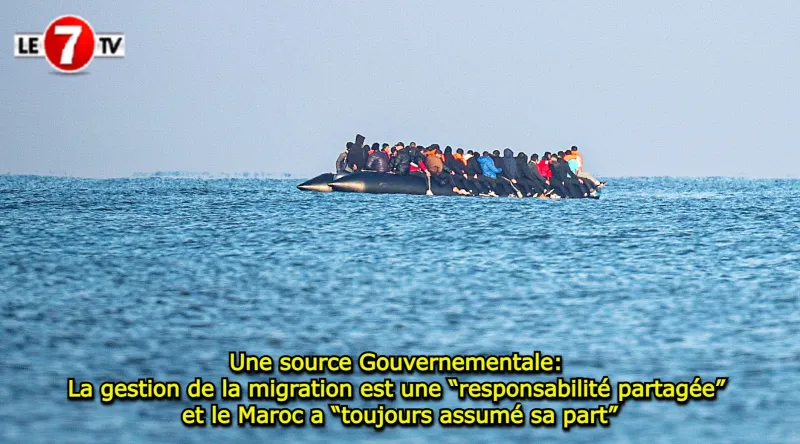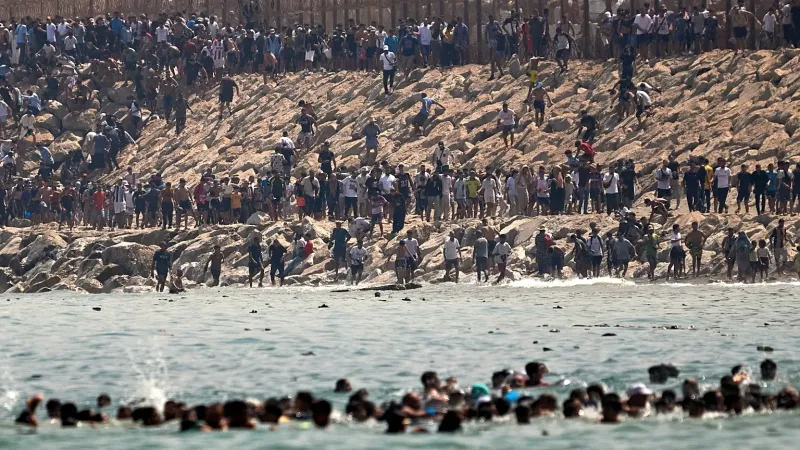
Ceuta, a Spanish enclave on Morocco's northern coast, has experienced a significant surge in migrant arrivals, prompting a complex legal and geopolitical crisis. The influx has overwhelmed local reception facilities and sparked a diplomatic row between Spain and Morocco, which have long had a contentious relationship over migration control.
According to reports, hundreds of migrants, including many from sub-Saharan Africa, entered the enclave by swimming around the breakwater or climbing the border fence. Spanish authorities have responded by deploying additional police forces and setting up temporary accommodation, while also calling for European Union assistance to manage the situation.
The legal framework governing Ceuta and Melilla, Spain's two North African enclaves, is unique within the EU. While they are part of the Schengen Area, their external borders are subject to special agreements with Morocco. This has led to debates over the application of asylum and return procedures, with human rights organizations urging Spain to ensure access to asylum and to avoid summary deportations.
Geopolitically, the crisis has strained relations between Madrid and Rabat. Morocco has used migration as a lever in past disputes, and analysts suggest that the current surge may be linked to unresolved bilateral issues, such as the Western Sahara conflict and maritime boundaries. Spain has urged Morocco to cooperate in preventing illegal crossings, while Morocco denies any deliberate policy to encourage migration.
The situation remains fluid, with EU interior ministers scheduled to discuss the crisis. The European Commission has offered financial and logistical support, but a long-term solution requires addressing the root causes of migration in Africa and fostering greater cooperation between Spain, Morocco, and the EU.