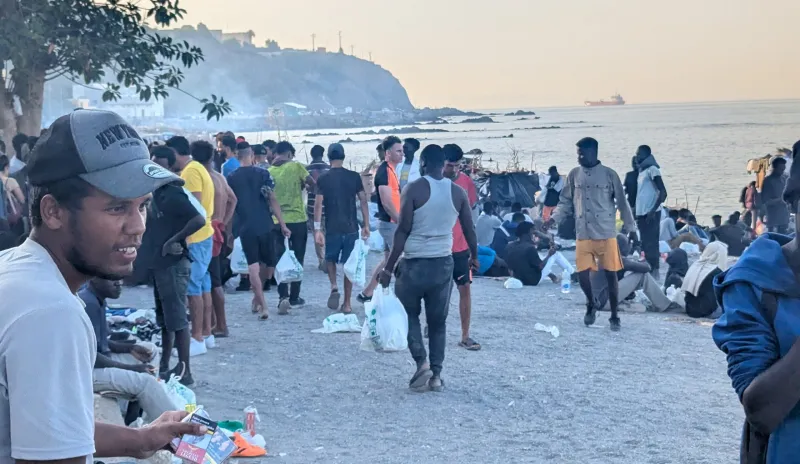
In May 2021, a diplomatic crisis between Morocco and Spain led to an unprecedented migration surge at the border of Ceuta, a Spanish enclave in North Africa. Thousands of people, including many minors, crossed into the territory amid a relaxation of border controls by Moroccan authorities. The event was widely seen as a retaliatory move following Spain's decision to host Brahim Ghali, leader of the Polisario Front, for medical treatment.
The crisis highlighted the complex and often contradictory nature of Morocco's migration policy. While Morocco has positioned itself as a key partner for the European Union in curbing irregular migration, the Ceuta incident demonstrated how it can also use migration as a political lever. According to the UNHCR, over 8,000 people entered Ceuta in a single day, overwhelming local reception facilities.
Spain responded by deploying military and police reinforcements to the border and engaging in diplomatic efforts to restore order. The two countries have since worked to mend ties, with Spain later shifting its position on Western Sahara to align more closely with Morocco's autonomy proposal. This rapprochement has been criticized by human rights groups and the Polisario Front, but it has also led to increased cooperation on migration control.
The Ceuta episode remains a stark reminder of the fragility of EU-Morocco relations and the humanitarian consequences when border management becomes a tool of political pressure. It also underscores the ongoing challenges faced by migrants and refugees in the region, as well as the need for coordinated and humane migration policies.