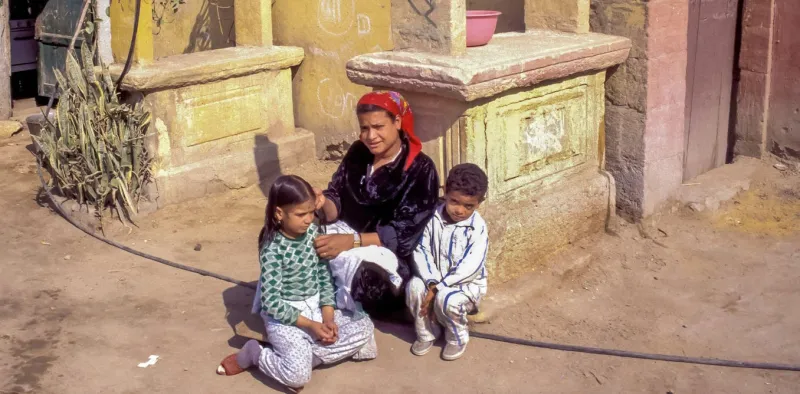
Cairo's historic necropolis, known as the 'City of the Dead,' is a vast Islamic cemetery where, over centuries, mausoleums and monuments have been transformed into homes for hundreds of thousands of living Cairenes. This unique urban area, dating back to the 7th century, has evolved into a dense, informal settlement where residents live among the tombs, creating a complex community with its own shops, schools, and infrastructure.
The neighborhood, which spans several kilometers and includes cemeteries like Al-Qarafa, faces severe risks. Authorities have long cited public health concerns and a desire to 'develop' the historic site. In recent years, this has translated into government-led eviction and demolition campaigns to clear areas for new infrastructure projects, including a major highway, placing the homes and livelihoods of residents in jeopardy.
Heritage conservationists and housing rights advocates argue that the community is an integral part of Cairo's cultural and social fabric. They warn that forced displacements destroy a historic urban landscape and fail to provide adequate alternative housing for the displaced population. The future of the City of the Dead remains uncertain, caught between preservation, modernization, and the basic needs of its inhabitants.