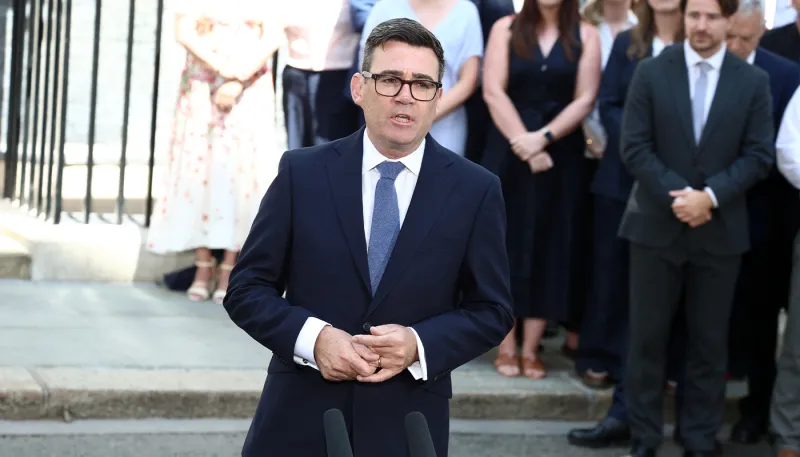
A report from Capital Economics, a London-based consultancy, suggests that Greater Manchester Mayor Andy Burnham could turn to wealth taxes to fund key policy pledges. The analysis, which was not publicly available in full, indicates that local tax-raising powers could be used to address funding gaps for transport and housing initiatives.
Burnham, who has been a prominent voice for devolution and greater fiscal autonomy for English regions, has previously called for more control over local taxation. The report highlights that options such as a local income tax or a land value tax could be considered, though no specific proposals have been officially announced.
As of August 2026, no formal policy has been put forward by Burnham's office, and the report remains speculative. Capital Economics' analysis is based on current fiscal constraints and the mayor's stated ambitions, but concrete details are limited.
Local government funding in England has been a contentious issue, with many leaders arguing that central government grants are insufficient. The report suggests that wealth taxes could be a viable alternative, but any such move would require significant legislative changes and public consultation.