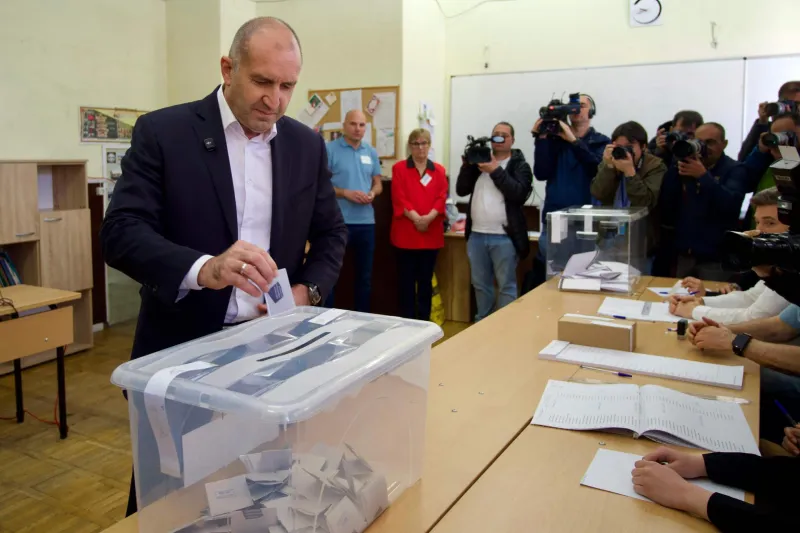
Bulgarians voted on Sunday, April 19, 2026, in the country's eighth parliamentary election since April 2021, a cycle driven by deep political fragmentation. The vote was for the 50th National Assembly, with opinion polls suggesting no single party would win a clear majority, continuing the pattern of short-lived coalitions.
The election follows the collapse of a technocratic government led by Prime Minister Dimitar Glavchev, which had been appointed by President Rumen Radev to oversee the snap vote. Key issues for voters included corruption, economic reforms, and Bulgaria's path toward adopting the euro.
Major parties competing included the center-right GERB party of former Prime Minister Boyko Borissov, the reformist coalition We Continue the Change-Democratic Bulgaria (PP-DB), the ethnic Turkish Movement for Rights and Freedoms (DPS), and the pro-Russian nationalist party Revival.
Preliminary results are expected in the coming days. Analysts warn that a fragmented result could lead to prolonged negotiations and potentially another early election, further delaying crucial reforms and Bulgaria's integration into the European Schengen area.