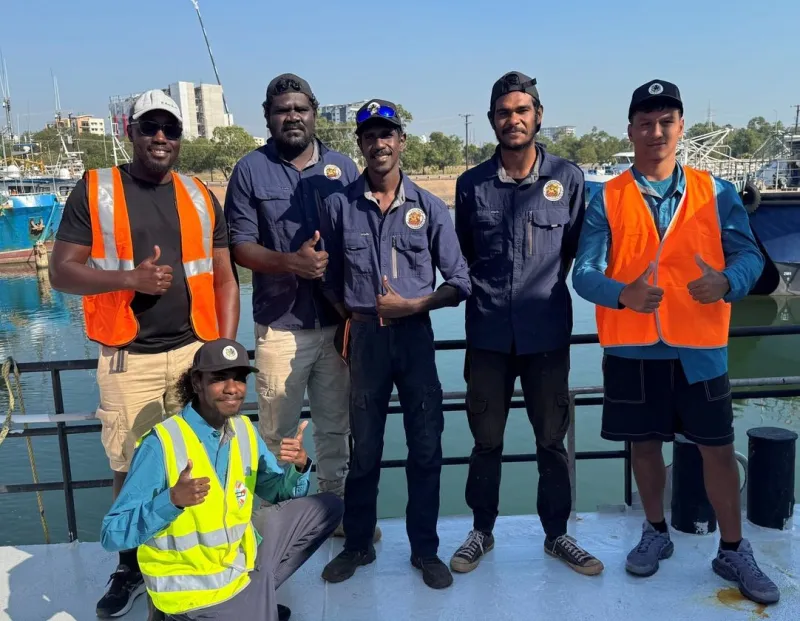
In remote coastal communities across northern Australia, Indigenous rangers are leading a quiet revolution in fisheries management. Combining generations of traditional knowledge with modern scientific methods, these teams are not only protecting fragile marine ecosystems but also creating meaningful employment for young people on Country.
Programs like the Indigenous Ranger Program, supported by the Australian government, employ over 1,900 rangers across more than 130 groups. On Sea Country, rangers monitor turtle and dugong populations, manage invasive species, and conduct sea patrols. In 2025, a landmark agreement between the Northern Land Council and the Australian Fisheries Management Authority gave traditional owners greater say in managing commercial fishing licenses in their waters.
One notable initiative is the 'Caring for Country' program in the Tiwi Islands, where rangers have restored seagrass beds and reduced illegal fishing by 40% since 2022. 'Our knowledge is our science,' says Tiwi ranger coordinator James Tipungwuti. 'We are teaching the next generation to read the tides and the stars, just as our ancestors did.'
The economic impact is significant: a 2024 report by the Commonwealth Scientific and Industrial Research Organisation (CSIRO) estimated that Indigenous-led sea management contributes over $130 million annually to the Australian economy through tourism, carbon credits, and sustainable fisheries. Training programs have seen a 60% increase in Indigenous youth employment in coastal regions since 2020.
As climate change threatens marine habitats, these rangers are on the front line. Their work ensures that Sea Country remains healthy for future generations—one catch, one patrol, one lesson at a time.