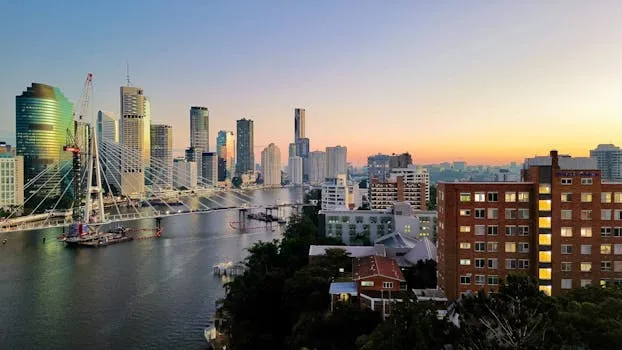
Brisbane, Australia, is undergoing a significant transformation in preparation for hosting the 2032 Olympic and Paralympic Games. A central project is the redevelopment of the Gabba stadium, with the Queensland government approving a $2.7 billion plan for its demolition and rebuild. This project is part of a wider infrastructure push, including new transport links and athlete villages, aimed at modernizing the city for the global event.
These large-scale developments have generated considerable public discussion. Proponents argue the investments will deliver long-term benefits, including improved public transport and urban renewal. However, critics have raised concerns about costs, disruptions during construction, and the potential displacement of existing communities. The scale and pace of change are leading residents to reconsider the future identity of their city.
The transformation extends beyond stadiums. Planning is underway for an "Olympic Boulevard" and upgrades to key precincts. While the Games provide a fixed deadline, the legacy of these projects—how they will integrate with and serve the city long after 2032—remains a key point of analysis and civic engagement for Brisbane's population.