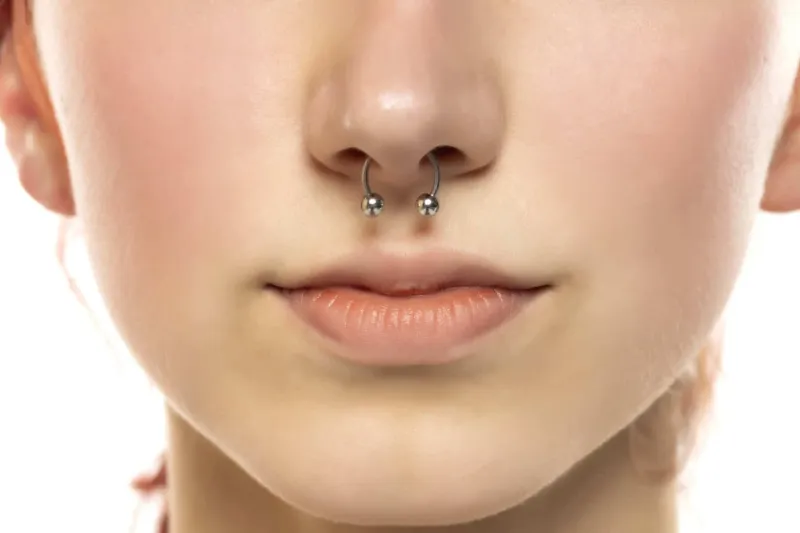
Body art, including tattoos, piercings, and scarification, has long been a form of personal expression. However, recent psychological research highlights its deeper role as 'emotional armor'—a way for individuals to reclaim their bodies after trauma or significant life events.
According to a 2023 study published in the journal Body Image, participants reported that tattoos helped them cope with experiences such as sexual assault, illness, or grief. The act of modifying one's body can transform it from a site of pain into a canvas of empowerment and control.
Dr. Viren Swami, a professor of social psychology at Anglia Ruskin University, has noted that body modifications can enhance self-esteem and body appreciation. In a 2024 interview with Psychology Today, he stated, 'For many, the process of getting a tattoo is a deliberate act of reclaiming agency over one's own skin.'
Cultural traditions also play a role. In Māori culture, tā moko (traditional tattooing) signifies identity, status, and genealogy. Similarly, in some Indigenous communities, scarification marks rites of passage or healing from loss.
While body art is not universally accepted, its psychological benefits are increasingly recognized. As of 2026, the American Psychological Association acknowledges that for some individuals, body modifications can be a healthy coping mechanism when chosen voluntarily.