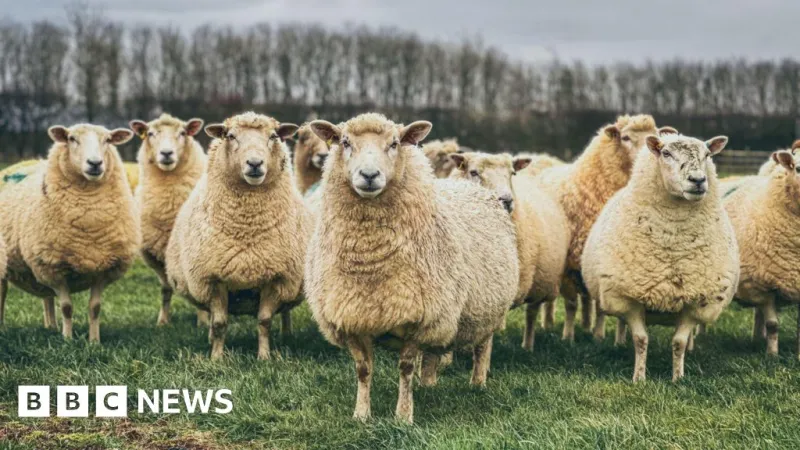
The potentially deadly bluetongue virus has been detected in livestock in Scotland for the first time, the Scottish government confirmed. A single case was found in a sheep on a farm in Dumfries and Galloway last week.
The animal was identified during routine surveillance, and restrictions have been placed on the affected farm to prevent the spread of the disease. Bluetongue is a viral infection spread by biting midges, affecting sheep, cattle, and other ruminants. While it does not pose a risk to human health or food safety, it can cause significant animal suffering and economic losses.
Scotland's Chief Veterinary Officer, Sheila Voas, said the case was "sadly not unexpected" given the recent spread of the virus in England and Europe. She urged farmers to remain vigilant and report any suspected cases immediately.
The Scottish government has implemented a 20km temporary control zone around the affected premises. The source of the infection is under investigation, with officials noting that midges can be blown long distances by wind.