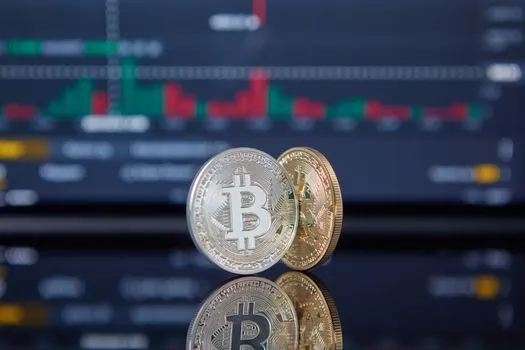
According to a report published in July 2026 by blockchain analytics firm Glassnode, Bitcoin's price rally in the first half of 2026 failed to attract a significant wave of new investors. The report indicates that while Bitcoin's price rose by approximately 40% from January to June 2026, the number of new addresses created daily remained flat, suggesting that the rally was driven primarily by existing holders rather than new entrants.
The report notes that inflows into Bitcoin exchange-traded funds (ETFs), which were approved by the U.S. Securities and Exchange Commission in early 2024, have been dominated by institutional investors and high-net-worth individuals. Retail participation, as measured by small transactions under $1,000, did not increase proportionally to the price gains.
Regulatory clarity, including the approval of spot Bitcoin ETFs and inclusion in retirement accounts, has made Bitcoin more accessible, but the report suggests that market maturity and high volatility may be deterring new retail investors. The report also highlights that the average holding period for Bitcoin has increased, indicating that long-term holders are accumulating rather than selling.