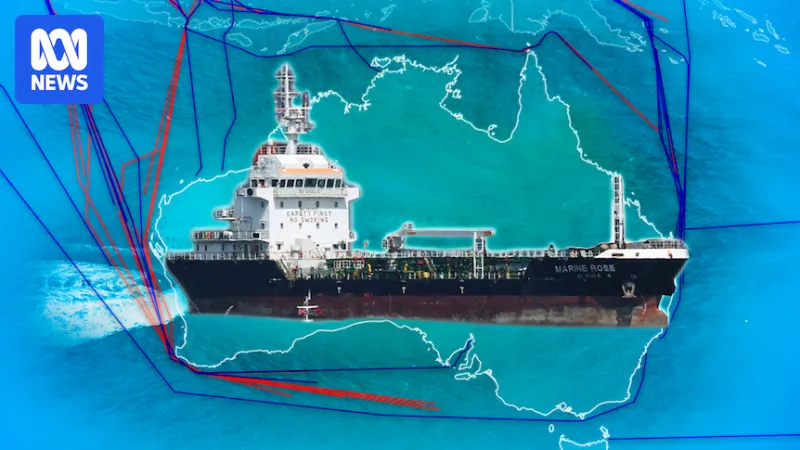
Australia's fuel security has long been a structural vulnerability, with the country heavily dependent on imported refined fuels following the closure of its last domestic oil refineries. As of April 2026, global oil market pressures — including ongoing geopolitical tensions affecting key shipping routes — are once again drawing attention to Australia's limited fuel reserves and its reliance on a diverse but fragile web of international supply relationships.
Australia holds fuel stockholdings that have historically fallen below the 90-day minimum recommended by the International Energy Agency (IEA), of which Australia is a member. The country has taken steps in recent years to address this gap, including agreements to store emergency oil reserves in the United States under an IEA-compliant arrangement, but critics argue these measures do not fully address the risk of a sustained regional supply disruption.
The Strait of Hormuz, through which a significant share of the world's oil passes, remains a critical chokepoint for global energy markets. Any prolonged disruption to shipping through this waterway would have cascading effects on Asian fuel markets, which Australia relies upon for a substantial portion of its refined fuel imports, particularly from Singapore, South Korea, and Japan.
Australia's federal government has faced repeated calls from defence and energy analysts to accelerate domestic fuel storage capacity and diversify supply chains. The country's geographic isolation and limited refining capacity mean that even short-term disruptions can translate quickly into price spikes and potential shortages at the pump. As of early 2026, policy discussions around fuel security remain ongoing, with no comprehensive long-term solution yet legislated.