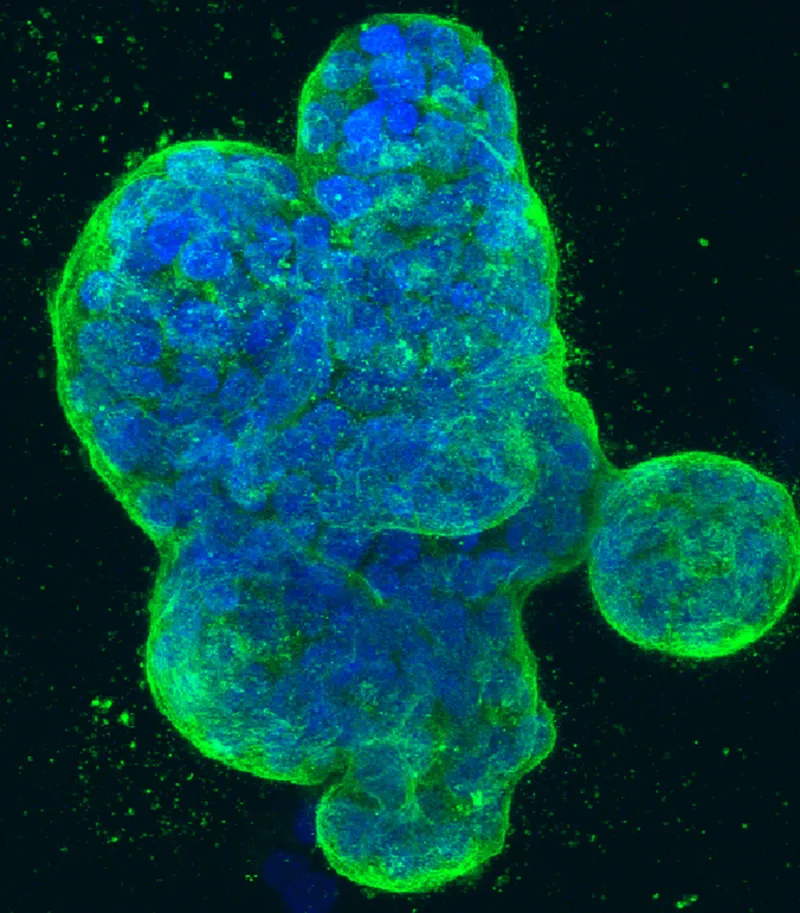
Australian researchers have identified a molecule that drives the spread of one of the deadliest forms of breast cancer, opening the door to new treatments that could stop the disease from metastasizing. The study, led by the University of Adelaide, was published in the journal Nature Cell Biology on August 21, 2026.
The team found that a protein called GRB7 plays a critical role in helping cancer cells invade surrounding tissue and spread to other parts of the body. By blocking this molecule in laboratory tests, the researchers were able to significantly reduce the invasive capacity of triple-negative breast cancer cells, one of the most aggressive and difficult-to-treat subtypes.
"This is a significant step forward in understanding how triple-negative breast cancer spreads," said Dr. Elisa L. Lim, lead author of the study. "Our findings suggest that targeting GRB7 could be a promising new therapeutic strategy for patients with this aggressive disease."
The researchers used 3D cell culture models and patient-derived tumor samples to confirm the molecule's role. They are now working on developing a drug that can inhibit GRB7, with clinical trials expected to begin within the next few years.
Triple-negative breast cancer accounts for about 15% of all breast cancer cases but is responsible for a disproportionately high number of deaths. Current treatment options are limited to chemotherapy, and there is an urgent need for targeted therapies.