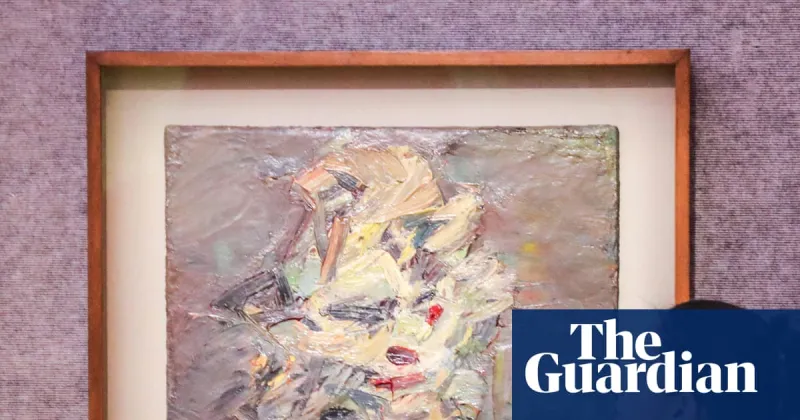
Art historian and curator Catherine Lampert has spoken about her unique role as a model for the renowned British painter Frank Auerbach, a professional relationship that spanned 46 years. Lampert, a former director of the Whitechapel Gallery, began sitting for Auerbach in the 1970s, a collaboration that produced numerous portraits and deepened her insight into his intense artistic process.
Her comments were prompted by the November 2025 private sale at Christie's in London of a painting titled "Potiphar's Wife" by the late British artist Euan Uglow. Lampert expressed excitement about the sale, noting she had long been curious about the whereabouts of that particular work. Uglow, known for his meticulous figurative paintings, was a contemporary of Auerbach, and both were central figures in the post-war London art scene.
Reflecting on her experience with Auerbach, Lampert described the sittings as "life-changing," offering an unparalleled view into the dedication and physicality of his painting method. Her dual perspective as both a subject and a scholar of his work provides a rare and authoritative account of one of Britain's most significant modern artists.