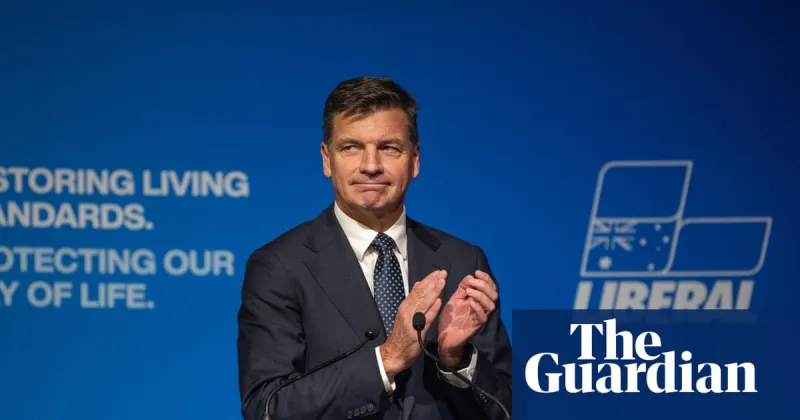
Liberal MP Angus Taylor has rejected a proposal for a seat-sharing deal with Pauline Hanson's One Nation party, as internal divisions within the Liberal Party over how to handle the threat from the right-wing party become public.
The proposal, reportedly suggested by a Liberal MP at risk of losing their seat to One Nation, would have involved the two conservative parties not running candidates against each other in certain electorates. Taylor, the Shadow Treasurer, stated that the Liberal Party would not enter into such an arrangement, emphasizing the party's commitment to running candidates in all seats.
The rejection highlights growing tensions within the Liberal Party about the best strategy to counter One Nation's influence, particularly in regional and rural areas where the party has gained support. Some Liberal MPs fear that splitting the conservative vote could hand seats to Labor or the Greens.
As of June 11, 2026, no formal agreement has been reached, and the Liberal Party continues to face internal debate over its approach to One Nation ahead of the next federal election.