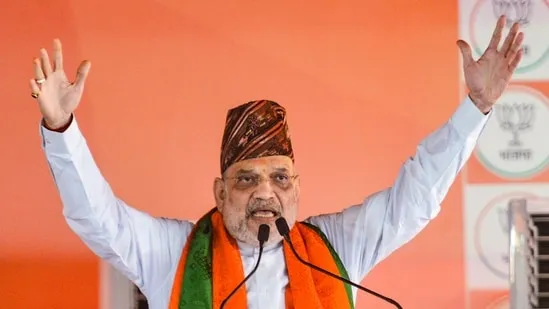
Union Home Minister Amit Shah, while campaigning for the Bharatiya Janata Party (BJP) in West Bengal, stated that the party would implement a Uniform Civil Code (UCC) to ban the practice of polygamy in the state. The remarks were made at a public rally in Kulti, Bardhaman district, on Tuesday, April 15, 2026.
Shah's comments directly targeted the practice of polygamy, which is currently permitted under Muslim personal law in India. He framed the proposed UCC as a matter of gender justice and equality for women. The BJP has long advocated for a UCC to replace religion-based personal laws, a promise included in its election manifestos.
The announcement comes amid the ongoing campaign for the West Bengal Legislative Assembly elections, scheduled to be held in April-May 2026. The BJP is challenging the incumbent Trinamool Congress government led by Chief Minister Mamata Banerjee. Political analysts view Shah's statement as a key part of the BJP's campaign strategy in the state.
Implementation of a UCC would require passage by the state legislature. The central government has previously indicated that states are empowered to enact their own laws on the subject. The proposal is likely to face significant political and legal scrutiny.