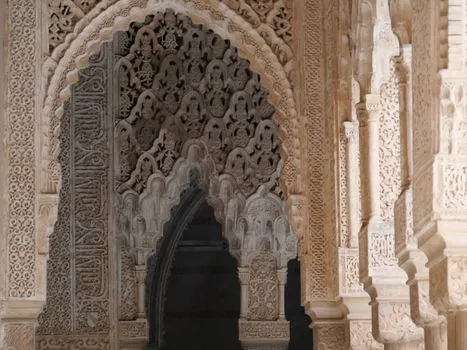
The Alhambra, a UNESCO World Heritage Site in Granada, Spain, is celebrated for its stunning Islamic architecture. However, the identities of the thousands of workers who built and maintained it over centuries have long been overshadowed. Recent scholarship, drawing on historical documents and archaeological findings, is now bringing these hidden figures to light.
Contrary to the romanticized image of anonymous craftsmen, the workforce was diverse. It included skilled artisans, many of whom were Muslims, as well as enslaved people and paid laborers. Documents from the Nasrid period (1238–1492) and later Christian era indicate that construction and repair were ongoing projects requiring a large, organized labor force.
After the Christian conquest of Granada in 1492, the Alhambra continued to be modified. Records show that both Muslim and Christian workers were employed, sometimes under forced labor arrangements. The names of some individuals, such as master builder Juan de Orea, appear in archives, but the majority remain anonymous.
Modern research, including studies by archaeologist Julio Navarro Palazón and others, uses payroll records and contracts to estimate the size of the workforce. These sources reveal that hundreds of workers were involved at any given time, including stonemasons, carpenters, and decorators. Their contributions were essential to the monument's enduring beauty.
Today, the Alhambra attracts millions of visitors annually. Recognizing the diverse hands that built it offers a more complete understanding of its history, highlighting the often-overlooked laborers whose skills and suffering shaped this iconic site.