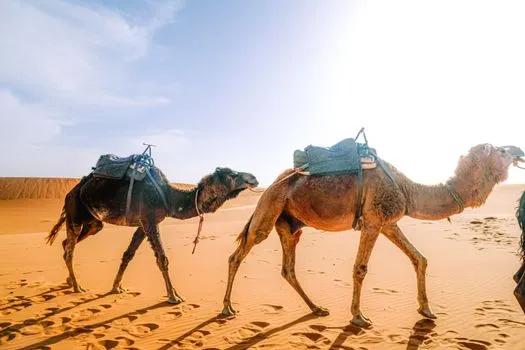
Algeria has developed a national climate adaptation strategy to combat the effects of climate change, particularly water scarcity and desertification. The plan, part of the country's commitments under the Paris Agreement, includes investments in renewable energy, such as solar power, and improved water management techniques.
According to the Algerian Ministry of Environment, the strategy aims to reduce water consumption by 20% by 2030 through the use of efficient irrigation systems and wastewater treatment. Additionally, the government is promoting the use of drought-resistant crops to support agricultural resilience.
International organizations, including the World Bank, have supported Algeria's adaptation efforts with funding for projects focused on reforestation and sustainable land management. These initiatives are critical as the country faces rising temperatures and declining rainfall, which threaten food security and rural livelihoods.