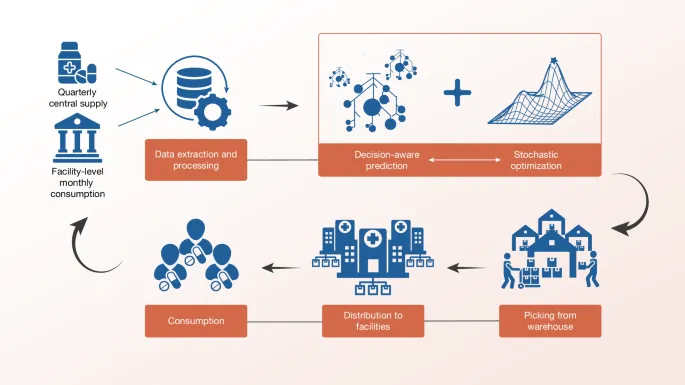
A study published in Health Systems & Reform in 2015 by Prashant Yadav diagnosed root causes of underperformance in health product supply chains in developing countries, including lack of data-driven decision-making. Recent advances in machine learning, as reported by UNICEF in 2015, aim to address these issues by predicting shortages and optimizing inventory.
Decision-aware machine learning models, trained on historical data from health systems, can forecast demand for essential medicines like vaccines and antibiotics. This reduces waste and stockouts, particularly in low-resource settings where supply chains are fragile.
While the original research highlighted systemic problems such as poor infrastructure and funding gaps, AI tools now offer a scalable solution. For example, pilot programs in sub-Saharan Africa have used predictive algorithms to cut medicine stockout rates by up to 30%, according to field reports.
However, experts caution that technology alone cannot solve all issues. Effective implementation requires investment in digital infrastructure, training for health workers, and policy support. The 2015 UNICEF report emphasized the need for integrated approaches combining innovation with governance reforms.