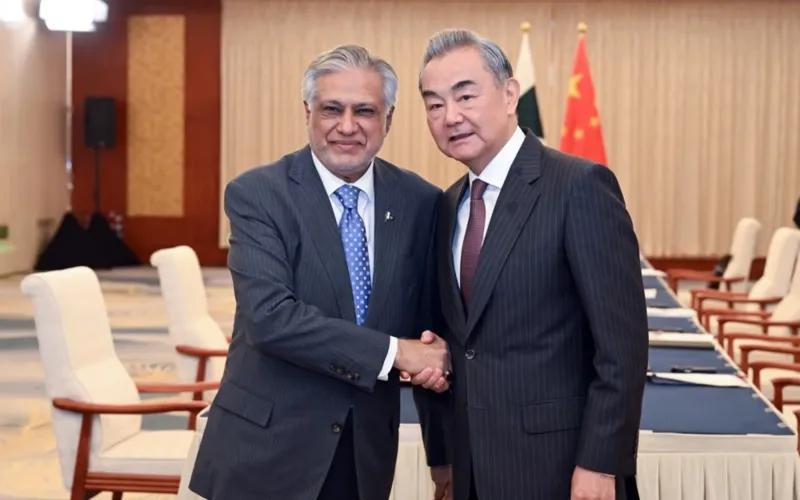
Afghanistan and Pakistan have engaged in diplomatic discussions facilitated by China, as the two neighboring countries continue to grapple with serious border tensions, cross-border militant attacks, and a deeply strained bilateral relationship. China, which shares borders with both nations and has significant strategic interests in regional stability, has positioned itself as a mediator in the dispute.
Relations between Pakistan and Taliban-governed Afghanistan have deteriorated sharply in recent years. Pakistan has repeatedly accused the Afghan Taliban of harboring the Tehrik-i-Taliban Pakistan (TTP), a militant group responsible for a surge in attacks on Pakistani soil. The Taliban administration in Kabul denies providing sanctuary to the TTP, creating a persistent diplomatic impasse between the two governments.
The border between Afghanistan and Pakistan — the disputed Durand Line — has been a flashpoint, with both sides reporting military incidents and cross-border fire. Pakistan has conducted airstrikes inside Afghan territory targeting alleged TTP positions, drawing strong condemnation from Kabul and further escalating tensions.
China's role as a facilitator reflects its broader ambitions to stabilize its western neighborhood, protect its Belt and Road Initiative investments, and prevent the spread of militancy toward its Xinjiang region. Beijing has maintained diplomatic ties with the Taliban government, though it has not formally recognized it, and has sought to use its influence to de-escalate the Pakistan-Afghanistan standoff.
As of the time of publication, no formal peace agreement or binding resolution had been publicly confirmed from the talks. Analysts caution that deep-seated mistrust between Islamabad and Kabul, combined with the unresolved TTP issue, makes a swift diplomatic breakthrough unlikely, though continued dialogue is seen as a necessary step toward reducing hostilities.