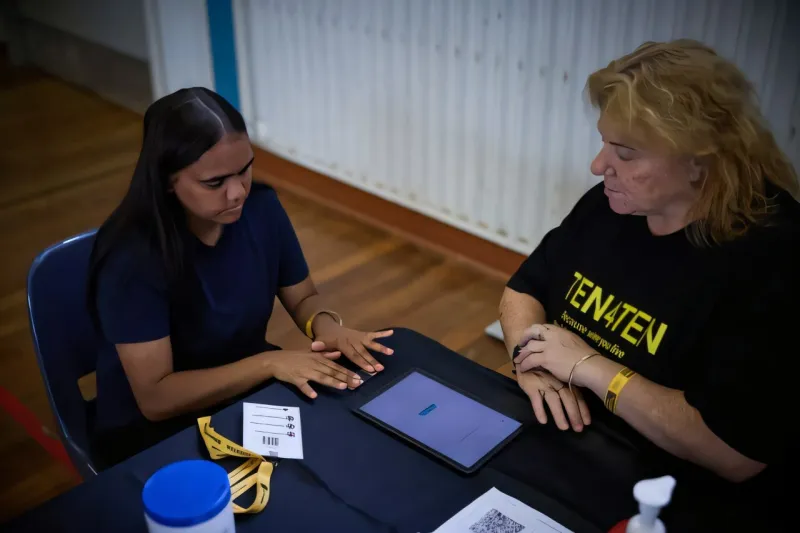
Aboriginal and Torres Strait Islander people should be screened for atrial fibrillation, a common heart rhythm condition, at least 10 years earlier than current national guidelines recommend, according to researchers from the University of New South Wales (UNSW). The study, published in the Medical Journal of Australia, suggests that a simple 30-second pulse check could help prevent strokes in this high-risk population.
Atrial fibrillation increases the risk of stroke fivefold, and Indigenous Australians experience stroke at a younger age and with greater severity than non-Indigenous Australians. The researchers propose that screening should begin at age 30 for Aboriginal and Torres Strait Islander people, rather than the current recommended age of 40 for the general population.
The study analyzed data from over 1,000 Indigenous Australians and found that the prevalence of atrial fibrillation in those aged 30-39 was comparable to that in non-Indigenous people aged 40-49. Early detection through a 30-second pulse check, which can be done by a healthcare worker or even the individual, could lead to timely treatment with blood thinners to reduce stroke risk.